
Vapes: Understanding Devices, Technology and Safety Considerations
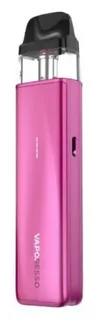
Vapes Explained: Different Types, Key Components and Essential Information
Modern vaping devices and accessories include a wide range of electronic systems designed to heat specially formulated liquids and produce an inhalable aerosol. Although many products share similar operating principles, their construction, battery capacity, coil technology and maintenance requirements can differ considerably. Understanding these differences is important for adults researching electronic cigarettes, particularly when examining technical specifications, nicotine content and potential health risks.
How Electronic Vaping Systems Actually Work
Electronic cigarettes operate through a combination of electrical power, liquid storage and controlled heating. Most devices contain a battery, heating element, airflow channel and a reservoir or cartridge. When the device activates, electricity passes through the heating element, warming the surrounding liquid. This process produces an aerosol that travels through the mouthpiece. Unlike traditional cigarettes, electronic devices do not burn tobacco leaves. However, the absence of combustion does not mean the resulting aerosol is harmless.
Its chemical composition depends on the liquid ingredients, heating temperature, equipment characteristics and operating conditions.
Understanding the Main Types of Vaping Devices
Different product categories use distinct designs, making it useful to understand their basic construction.
Refillable Pod Systems
Refillable pod devices generally feature compact batteries and cartridges that users can fill with compatible liquids.
Some contain integrated heating coils, while others support replaceable coil components. The cartridge design determines the device's compatibility with specific replacement parts.
Closed Pod Devices
Closed pod systems use prefilled cartridges manufactured for particular devices. Their components are generally designed to work together without manual liquid refilling.
Cartridges should never be modified or forced into incompatible equipment.
Advanced Electronic Cigarette Kits
Larger electronic cigarette kits may include adjustable power settings, removable tanks and advanced control functions.
These systems require careful attention to coil resistance, battery specifications and manufacturer operating limits.
Single-Use Electronic Devices
Traditional single-use devices combine their battery, heating element and liquid supply within one unit.
Because they contain electronic components and batteries, disposal creates environmental concerns. Their legal availability also differs between jurisdictions.
Why Battery Technology Deserves Attention
Battery performance influences device operation, but capacity alone does not determine quality.
Most compact electronic cigarettes use rechargeable lithium-ion batteries. Their specifications may include nominal capacity, voltage and supported charging requirements.
Important battery considerations include:
-
Charging compatibility: Use equipment that meets manufacturer requirements.
-
Physical condition: Avoid operating batteries showing visible damage or swelling.
-
Temperature: Protect electronic devices from excessive heat and moisture.
-
Electrical connections: Keep contacts clean according to manufacturer instructions.
-
Storage: Prevent accidental activation and exposure to conductive objects.
Damaged rechargeable batteries can create overheating and fire hazards. Users should follow documented safety guidance rather than attempt electrical modifications.
The Relationship Between Coils and E-Liquids
A heating coil is responsible for transferring electrical energy into heat. Different coil designs provide different resistance values and heating characteristics.
Mesh heating elements use a metal mesh structure, while conventional coils often use wound resistance wire.
Neither construction automatically guarantees safer operation.
E-liquids commonly contain propylene glycol, vegetable glycerine, flavouring substances and sometimes nicotine.
Nicotine concentration, ingredient composition and device compatibility should be clearly identified on product packaging.
Overheating liquid or operating a coil without sufficient liquid may produce undesirable chemical by-products. Manufacturer instructions therefore remain important.
Understanding Product Information in Online Retail
Adults researching vaping products through a vape shop online may encounter numerous technical descriptions, model names and product categories. A reliable product description should provide clear information rather than rely exclusively on appearance or promotional language. Important details include the manufacturer, device model, battery specifications, liquid capacity, nicotine concentration, package contents and relevant warnings. Compatibility information is particularly useful because replacement cartridges and coils are not universally interchangeable. Product descriptions should also distinguish between genuine manufacturer components and third-party accessories.
Health Considerations Associated With Vaping
Nicotine-containing electronic cigarettes can cause dependence. Nicotine exposure also presents particular concerns during pregnancy and adolescence. Although electronic cigarettes generally expose users to fewer combustion-related toxicants than conventional cigarettes, vaping still carries health risks. Aerosols can contain irritating substances and potentially harmful chemicals. The nature and extent of exposure depend on the product and how it operates. People who do not smoke or use nicotine should not begin vaping. Adults seeking to stop smoking can consult healthcare professionals about evidence-based cessation support.
Electronic Waste and Environmental Responsibility
Electronic cigarettes contain materials that require appropriate disposal.
Lithium-ion batteries, circuit boards, plastics and metal components should not automatically enter ordinary household waste streams.
Devices with damaged batteries require especially careful handling. In Ireland, consumers can consult local recycling facilities and approved electrical waste collection services about suitable disposal arrangements. Separating electrical waste from general rubbish helps support responsible material recovery and reduces avoidable environmental harm.
What Should Consumers Know About Irish Regulations?
Ireland regulates nicotine-related products through legislation covering sales, product requirements and public health protections. Applicable rules include age restrictions, nicotine product standards, packaging requirements and controls on certain sales practices. European tobacco product regulations also establish requirements for relevant nicotine-containing electronic cigarettes. Product availability in another country does not automatically establish compliance with Irish law. Retailers and consumers should therefore refer to current Irish government and Health Service Executive guidance when checking legal requirements.
Frequently Asked Questions
Do All Electronic Cigarettes Use the Same Components?
No. Batteries, cartridges, heating elements and electronic controls differ across manufacturers and models.
Can Every E-Liquid Be Used With Any Device?
No. Product compatibility depends on the device's design and the manufacturer's specifications.
Are Nicotine-Free Products Completely Safe?
No. Removing nicotine does not eliminate every potential risk associated with inhaling heated aerosols.
Want to read more?? If yes then click here
Understanding Vaping Products Responsibly
Electronic cigarettes involve several interconnected technologies, from rechargeable batteries to heating elements and liquid storage systems.
Understanding their specifications helps clarify product differences, operating limitations and safety considerations.
Accurate labelling, responsible disposal, regulatory compliance and clear health information remain essential when evaluating nicotine-related products.

 Arabic
 French
 Spanish
 Portuguese
 Deutsch
 Turkish
 Dutch
Dutch
 Italiano
 Russian
 Romaian
 Portuguese (Brazil)
 Greek
Greek