
How to Install a Gravel Driveway for a Durable and Attractive Entrance
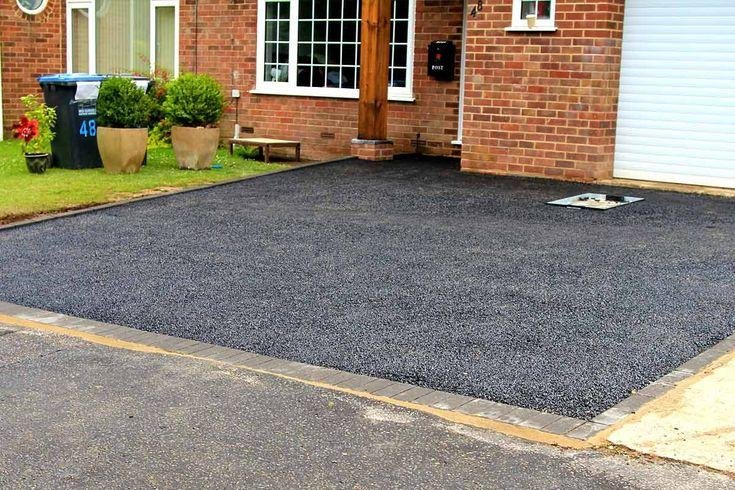
Understanding Gravel Driveway Construction
A gravel driveway can be a practical and attractive option for homeowners who want a durable outdoor surface without the higher material costs associated with some paved alternatives. Gravel is available in different sizes, colors, and textures, allowing property owners to choose a finish that complements their home and surrounding landscape. A successful driveway depends on more than spreading loose stones across the ground. Proper planning, soil preparation, drainage, and the selection of suitable aggregate all contribute to the driveway's stability and long-term performance. Understanding how to install a gravel driveway begins with evaluating the property, determining how the driveway will be used, and selecting construction materials that suit the local conditions. With careful preparation, homeowners can create a driveway that supports regular vehicle traffic while remaining manageable to maintain.
Evaluating the Driveway Location and Layout
Before purchasing materials, homeowners should examine the area where the driveway will be installed. The available space, slope, soil condition, existing vegetation, and proximity to buildings can influence the design and amount of preparation required. A straight driveway may be easier to plan, while a curved layout might require additional excavation and careful edging. The width should allow vehicles to enter, leave, and turn comfortably without damaging nearby landscaping. Property owners researching How to Install a Gravel Driveway should also consider how rainwater moves across the site and whether the planned route could direct runoff toward a garage, foundation, sidewalk, or neighboring property. Identifying these details early helps create a practical layout and reduces the possibility of costly adjustments after construction begins.
Choosing the Right Gravel Materials
Different types of aggregate perform different functions within a driveway. Larger crushed stone can provide a supportive base, while smaller angular gravel can help create a compact and relatively smooth driving surface. Angular stones generally lock together more effectively than rounded pebbles because their irregular edges create friction when compacted. The best combination depends on soil conditions, expected vehicle loads, drainage requirements, and the desired appearance. Homeowners should ask local suppliers which aggregate sizes are commonly recommended for driveway construction in their area. It is also helpful to confirm that the material is suitable for compaction and outdoor use. Selecting gravel based only on color or purchase price can lead to problems if the stones do not provide adequate support or remain stable under repeated traffic.
Preparing the Ground Before Construction
Ground preparation is one of the most important parts of a gravel driveway project because the finished surface depends on the condition of the soil beneath it. Grass, weeds, roots, loose organic matter, and unsuitable topsoil may need to be removed before the base is constructed. Organic material can decay over time, leaving empty spaces that allow the driveway to settle unevenly. Excavation depth should reflect the existing soil, expected traffic, and thickness of the planned aggregate layers. A driveway intended for regular passenger vehicles may require different preparation from one that will support heavy delivery trucks or work equipment. Before digging, homeowners should identify underground utilities and confirm whether local permissions or inspections are necessary. Thorough preparation helps establish a more stable foundation for the materials that follow.
Planning the Excavation Depth and Driveway Foundation
The excavation should provide enough space for the planned base and surface layers without creating an unnecessarily deep or expensive construction project. Soft or poorly drained soil may require additional preparation, while firm, well-drained ground can sometimes support a simpler design. The base must be thick enough for the expected load and should be installed in a way that allows the material to compact evenly. When considering How to Install a Gravel Driveway, homeowners should avoid assuming that a single thin layer of stone will provide lasting performance on every type of ground. Local soil conditions can vary significantly, so a knowledgeable contractor or aggregate supplier can help determine an appropriate construction depth. A well-prepared foundation reduces the risk of rutting, sinking, and recurring uneven areas.
Removing Vegetation and Loose Soil
Once the layout has been marked, the next stage involves removing vegetation and other material that could interfere with the driveway foundation. Grass, roots, leaves, and soft topsoil should not be left beneath the main aggregate layers because they can break down and create unstable pockets. Small areas may be prepared with suitable hand tools, while larger projects may require excavation equipment. The exposed ground should be checked for soft spots, standing water, and other conditions that could affect compaction. If the soil becomes muddy or unstable during preparation, construction may need to pause until the underlying problem is addressed. Removing unsuitable material carefully provides a cleaner working area and helps the foundation perform more consistently once vehicles begin using the driveway.
Installing Geotextile Fabric When Appropriate
Geotextile fabric can help separate the soil from the gravel in locations where the ground is soft or where fine soil particles may migrate into the aggregate. By limiting the mixing of these materials, suitable fabric can help preserve the structure of the base and reduce the likelihood of premature deterioration. However, fabric is not necessary for every driveway, and its effectiveness depends on selecting the correct product and installing it properly. The ground should be prepared before placement, and the fabric should cover the intended area without large gaps or excessive folds. Homeowners should also understand that geotextile fabric does not replace adequate excavation, compaction, or drainage. It works as one part of a complete driveway design rather than as a substitute for a properly constructed foundation.
Creating a Stable Base Layer
The base layer provides much of the structural support required for everyday vehicle use. Crushed aggregate with a suitable range of particle sizes can help fill voids and form a compact foundation when installed correctly. Material should generally be spread in manageable layers rather than placed at excessive thickness and compacted only from the surface. The appropriate layer depth depends on the equipment, aggregate type, and project specifications. After spreading the material, a suitable compactor can be used to improve density and reduce movement. The surface should be checked regularly for low areas, loose pockets, and inconsistent thickness. A carefully constructed base distributes vehicle loads more effectively and creates a dependable platform for the final gravel layer.
Establishing Proper Drainage and Surface Slope
Water management is essential because standing water can weaken the ground beneath a driveway and contribute to ruts, potholes, and displaced gravel. The finished surface should generally guide rainwater away from buildings and toward an appropriate drainage area without creating runoff problems for neighboring properties. Depending on the location, the design may use a gentle cross-slope, a suitable crown, drainage channels, or other measures that fit the site. The best arrangement depends on the natural terrain, rainfall patterns, soil permeability, and nearby structures. Homeowners should pay particular attention to areas where water already collects after storms. Correcting drainage problems during construction is usually more effective than repeatedly adding gravel after the driveway has begun to deteriorate.
Selecting and Installing the Surface Gravel
The top layer affects the driveway's appearance, traction, comfort, and maintenance needs. Smaller angular gravel can create a more uniform driving surface, while other aggregate options may provide a different texture or visual effect. The material should be suitable for regular vehicle movement and should not contain excessive unsuitable debris or oversized stones that make driving uncomfortable. When planning How to Install a Gravel Driveway, it is important to distinguish the decorative surface material from the structural aggregate beneath it. The surface layer should be spread evenly over the compacted base and shaped to follow the intended drainage profile. Adding too much loose material can make the driveway difficult to drive on, so the finished depth should match the project design.
Using Equipment for Spreading and Compaction
The equipment required for a driveway project depends on its size, access, and construction requirements. Shovels, rakes, wheelbarrows, and hand tampers may be sufficient for small repairs, while a larger installation may benefit from a compact loader, grading equipment, and a mechanical plate compactor or roller. Equipment should be selected according to the aggregate type and the amount of material being installed. Spreading gravel in even layers makes it easier to maintain consistent depth and identify areas that need additional attention. Compaction should be performed with suitable equipment rather than relying solely on vehicles to press the material into place. Proper use of machinery can improve the consistency of the surface, reduce unnecessary labor, and help the finished driveway remain more stable.
Installing Edging to Keep Gravel in Place
Edging can help define the driveway's boundaries and limit the movement of gravel into lawns, planting beds, and nearby walkways. Depending on the property's style and budget, suitable edging materials may include durable landscape restraints, concrete borders, stone, or other products designed for outdoor use. The selected material should be installed securely and should not create a hazard for vehicles or pedestrians. Edging is particularly useful where the driveway meets a garden or where repeated turning could push stones outward. It should complement the drainage design rather than block the path of necessary water flow. A clearly defined boundary also makes routine maintenance easier because homeowners can identify where gravel needs to be redistributed and where landscaping should remain separate from the driving surface.
Managing Slopes and Uneven Ground
Driveways constructed on sloped properties require careful planning because gravity and flowing water can move loose aggregate downhill. Steeper areas may need a different surface treatment, additional drainage measures, or a revised layout to provide dependable vehicle access. The driveway should be assessed for safe entry, adequate visibility, and sufficient space for vehicles to maneuver. Loose stones can shift more easily when vehicles accelerate, brake, or turn on a steep incline. Depending on the conditions, professional advice may be necessary to determine whether gravel is the most suitable surface for the location. Grading the ground carefully and directing runoff away from vulnerable areas can help reduce erosion. The finished design should balance appearance, usability, drainage, and the practical limits of the site.
Estimating Gravel Quantities and Project Costs
Accurate material estimates help homeowners plan their budgets and reduce the likelihood of ordering too much or too little aggregate. The required volume depends on the driveway's length, width, and intended layer thickness, along with any additional material needed to account for compaction and site conditions. Suppliers may sell gravel by weight or volume, so it is important to confirm the measurement used when requesting a quote. Other expenses can include excavation, delivery, equipment rental, fabric, edging, drainage work, and disposal of removed soil. Access restrictions may also increase labor or delivery costs. Before construction begins, homeowners should request a clear estimate that separates material expenses from installation and preparation work. A realistic budget makes it easier to compare proposals and account for essential construction details.
Planning Delivery and Material Storage
Gravel delivery should be coordinated with the construction schedule so materials arrive when the site is ready to receive them. A delivery truck needs suitable access and a safe location to unload the aggregate without damaging landscaping, pavement, utility features, or nearby structures. Homeowners should decide in advance where each material will be placed and whether there is enough space to keep different aggregate types separate. Storing materials on a stable surface can make loading and spreading easier while reducing contamination from soil and organic debris. It is also important to keep access routes clear for equipment and emergency passage. Good delivery planning helps avoid delays, unnecessary handling, and additional labor while allowing the installation work to proceed in an organized sequence.
Avoiding Common Gravel Driveway Problems
Several common construction mistakes can reduce the performance of a gravel driveway. These include leaving soft soil beneath the base, using unsuitable aggregate, ignoring drainage, spreading material too thickly in a single layer, and failing to compact the foundation adequately. A driveway may initially look smooth but develop ruts or low spots once vehicles begin using it. Repeatedly adding fresh gravel without correcting the underlying cause can increase costs without resolving the problem. Homeowners should inspect the foundation during construction and confirm that each layer is stable before the next is installed. Good planning also includes accounting for expected traffic and the effects of local weather. Preventing avoidable mistakes during construction is generally more effective than relying on frequent repairs after the surface has deteriorated.
Keeping the Finished Surface Even
After installation, the gravel surface should be checked for inconsistent thickness, loose piles, depressions, and areas where water could collect. A landscape rake or suitable grading tool can help redistribute loose stones and smooth minor irregularities. The surface should follow the planned drainage shape rather than being flattened without considering how rainwater will escape. Any significant low spots should be examined to determine whether the problem affects only the surface or extends into the base. If the foundation has become soft or displaced, adding a small amount of gravel may not provide a lasting correction. Consistent grading helps vehicles move more comfortably across the driveway and makes it easier to identify emerging problems. Final inspection is an important part of completing the project properly.
Considering Vehicle Traffic and Everyday Use
The driveway design should reflect the vehicles that will use it most frequently. A surface intended for passenger cars may have different requirements from one used by delivery vehicles, trailers, recreational vehicles, or heavy equipment. Repeated turning and braking can displace gravel, particularly near entrances, parking areas, and tight curves. These locations may need stronger preparation or more frequent maintenance. Homeowners should also consider whether vehicles will need to pass one another and whether the layout provides enough room for safe maneuvering. A well-designed driveway accommodates normal daily activity without requiring drivers to cross unstable edges or drive over nearby landscaping. Matching the construction approach to actual use helps improve durability and makes the finished surface more convenient for the household.
Understanding Weather and Seasonal Changes
Weather can influence the condition of gravel driveways throughout the year. Heavy rainfall may expose drainage weaknesses, while dry and windy conditions can contribute to dust and loose surface material. In areas with freezing temperatures, repeated changes between freezing and thawing can affect the ground beneath the aggregate. Snow removal may also move stones away from their intended position if equipment is used carelessly. Homeowners should consider local seasonal conditions when choosing materials and planning maintenance. After severe weather, inspecting the driveway for erosion, standing water, and displaced gravel can help identify problems early. Although gravel is relatively straightforward to maintain, its performance still depends on proper drainage, suitable construction, and attention to changing site conditions.
Maintaining a Gravel Driveway Over Time
Routine maintenance helps preserve the appearance and function of a gravel surface. Homeowners can periodically rake loose stones back into low areas, remove weeds where appropriate, and check that drainage channels remain clear. The entrance and areas near garages often need closer attention because vehicles repeatedly turn or brake there. Any potholes should be examined before they become larger, especially when water collects in the damaged area. Depending on the severity, a repair may require reshaping the surface, adding compatible aggregate, and compacting the affected section. The frequency of maintenance depends on traffic, weather, soil conditions, and the quality of the original installation. Regular inspections help homeowners address small issues before they develop into more extensive repairs.
Improving Appearance with Gravel Color and Texture
Gravel can contribute to a property's overall appearance because it is available in a variety of natural shades and textures. Some homeowners prefer neutral gray aggregate that blends with modern exterior materials, while others choose warmer tones that complement brick, stone, or traditional landscaping. Appearance should be considered alongside performance, since a decorative stone may not provide the same compaction characteristics as a suitable driveway aggregate. It is helpful to view samples outdoors because sunlight, surrounding plants, and exterior finishes can change how a material looks. Homeowners should also consider how the gravel color will appear after exposure to dust and rain. Selecting a practical material that complements the home creates a more cohesive outdoor design without sacrificing the driveway's primary function.
When Professional Installation May Be Beneficial
Some gravel driveway projects are manageable for homeowners with the right equipment, time, and construction knowledge. Larger installations, steep properties, poor soil conditions, complex drainage requirements, and driveways intended for heavy vehicles may be more challenging. A professional can assess the site, recommend suitable aggregate, estimate excavation requirements, and identify potential drainage or access concerns before work begins. They may also have access to machinery that allows grading and compaction to be completed more efficiently. Homeowners should ask for a written proposal that explains preparation, material specifications, installation methods, drainage provisions, cleanup, and any exclusions. Comparing contractors on the basis of the full project scope helps clarify differences between estimates and supports a more informed decision.
Reviewing the Completed Driveway
Before considering the project finished, homeowners should inspect the entire driveway and confirm that the surface appears even, the edges are secure, and the intended drainage pattern is maintained. The entrance should provide a smooth transition from the road or adjoining pavement, while the areas near buildings should direct water away from vulnerable structures. Loose piles, exposed fabric, unstable edges, and obvious depressions should be addressed before regular use begins. It is also useful to discuss any recommended settling period or maintenance requirements with the installer. Keeping records of the aggregate types and approximate quantities used can make future repairs easier. A final review provides an opportunity to resolve remaining concerns while the construction details are still fresh and the installation team is available.
Creating a Practical and Long-Lasting Gravel Driveway
A successful gravel driveway combines careful site assessment, suitable materials, proper ground preparation, effective drainage, and consistent compaction. Homeowners who understand How to Install a Gravel Driveway can make better decisions about the construction process, budget, equipment, and long-term care. The best approach will depend on the property's soil, slope, expected vehicle traffic, and local weather conditions, so no single design is appropriate for every location. Taking time to plan the foundation and drainage can help reduce recurring ruts, standing water, and unnecessary material replacement. For homeowners who want professional guidance with driveway preparation, paving, and outdoor improvements, Promaster Maintenance Corp Paving and Masonry can discuss suitable options based on the property's needs, preferred appearance, and project requirements.

 Arabic
 French
 Spanish
 Portuguese
 Deutsch
 Turkish
 Dutch
 Italiano
 Russian
 Romaian
 Portuguese (Brazil)
 Greek