
Lightweight Roof Top Tent in the UAE: Features, Types, Uses, and Essential Considerations
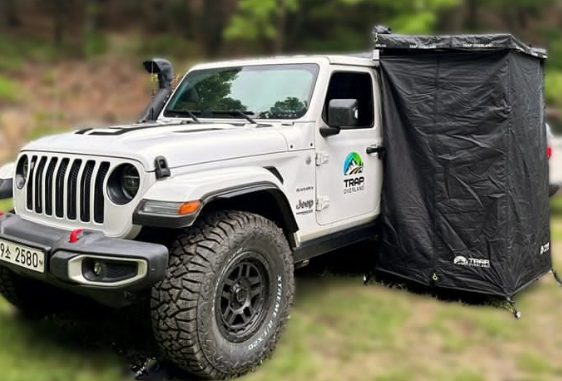
A lightweight roof top tent is a vehicle-mounted camping shelter designed to provide an elevated sleeping area while keeping additional vehicle weight relatively low. It is commonly used for camping, road trips, desert exploration, and overland travel. Its compact construction and portable design make it a relevant option for outdoor activities that involve travelling between different locations.
In the United Arab Emirates (UAE), outdoor recreation includes desert camping, mountain excursions, and journeys through natural landscapes. These activities often require practical sleeping arrangements that can be transported with a vehicle. A lightweight roof top tent provides an alternative to conventional ground tents by utilising the available roof space.
Understanding the design, materials, features, and practical applications of a lightweight roof top tent helps explain its relevance to the UAE's outdoor camping environment.
What Is a Lightweight Roof Top Tent?
A lightweight roof top tent is a portable shelter installed on a vehicle's roof rack or compatible mounting system. Unlike traditional camping tents, which are placed directly on the ground, this structure creates an elevated sleeping platform.
These tents are generally manufactured using lightweight fabrics, aluminium components, and compact support structures. Their design aims to reduce overall weight while maintaining the necessary strength and stability for outdoor use.
Most models include a sleeping platform, fabric enclosure, protective cover, supporting frame, and access ladder. Depending on the design, additional features may include ventilation panels, windows, storage pockets, and an integrated mattress.
The tent remains attached to the vehicle during transportation and can be opened at a suitable camping location.
Importance of Lightweight Roof Top Tents in the UAE
The UAE offers a variety of outdoor environments, including extensive deserts, rocky mountains, and designated camping locations. These geographical features attract individuals interested in outdoor recreation and vehicle-based travel.
A lightweight roof top tent is relevant to such activities because it provides a portable sleeping arrangement without requiring a separate ground-level tent setup.
Its reduced weight can also be an important consideration for vehicles with specific roof load limitations. However, the actual suitability depends on the vehicle's roof capacity, roof rack specifications, and the weight of the complete mounting arrangement.
During desert journeys and extended road trips, a compact shelter can help organise camping equipment while maintaining an efficient transportation arrangement.
Common Types of Lightweight Roof Top Tents
Different designs are available depending on construction, materials, and intended outdoor use.
1. Lightweight Hard Shell Roof Top Tent
Hard shell models feature a rigid outer covering that protects the folded structure during transportation. Lightweight materials may be used to reduce the overall weight of the shell.
These tents generally open through a lifting mechanism and create an enclosed sleeping space. Their compact exterior helps protect internal components from dust and road debris.
2. Lightweight Soft Shell Roof Top Tent
Soft shell models use fabric-based coverings and flexible support structures. Their foldable construction allows them to expand into a sleeping platform when opened.
Depending on the design, they may provide additional interior space and include fabric extensions or ventilation panels.
3. Compact Foldable Roof Top Tent
Compact foldable models are designed to occupy less space when closed. Their construction focuses on portability and convenient storage.
These designs can be considered for suitable vehicles with limited roof rack space, provided that all weight and mounting requirements are satisfied.
Important Features of a Lightweight Roof Top Tent
Several features influence the functionality and suitability of a lightweight roof top tent.
Lightweight Construction: Materials such as aluminium and specialised outdoor fabrics help reduce the overall structure's weight.
Weather-Resistant Fabric: Outdoor fabric should provide suitable resistance to sunlight, dust, and occasional moisture.
Ventilation: Mesh windows and ventilation openings support airflow and help manage internal heat.
Sleeping Platform: The base provides an elevated sleeping surface. Its dimensions and weight capacity should match the intended requirements.
Access Ladder: A properly secured ladder provides access to the elevated sleeping area.
Protective Cover: The cover protects the folded structure from dust, sand, and road debris during transportation.
Compact Storage: A foldable design helps reduce the space occupied by the tent when it is not in use.
Factors to Consider in the UAE
The UAE's environmental conditions make several factors important when using a lightweight roof top tent.
1. High Temperatures
The UAE experiences high temperatures, particularly during summer. Direct sunlight can increase the temperature inside an enclosed tent. Proper ventilation, suitable positioning, and appropriate camping periods are important considerations.
2. Sand and Dust
Desert environments contain fine sand and dust that can accumulate on fabric, zippers, hinges, and mounting components. Regular cleaning helps maintain the condition of the structure.
3. Vehicle Roof Load Capacity
A lightweight design does not automatically make a tent suitable for every vehicle. The vehicle's dynamic roof load limit, roof rack capacity, and mounting specifications should be checked before installation.
The combined weight of the tent, mounting hardware, and other roof-mounted equipment should also be considered.
4. Wind Conditions
Desert and open camping areas may experience changing wind conditions. Proper installation and anchoring are important for maintaining stability. The tent should be closed when wind conditions exceed its specified operating limits.
5. Camping Location
Certain locations in the UAE have specific regulations regarding camping, vehicle access, and temporary structures. Local requirements should be checked before setting up a roof top tent.
Maintenance and Storage
Regular maintenance helps extend the useful life of a lightweight roof top tent.
After each outdoor trip, sand and dust should be removed from the fabric, frame, and mounting components. If the tent becomes wet, it should be dried completely before being folded to reduce the possibility of moisture-related damage.
Mounting brackets, hinges, zippers, ladders, and support mechanisms should be inspected periodically. Any signs of wear or damage should be addressed according to the manufacturer's maintenance instructions.
When not in use, the tent should remain properly secured and stored in suitable conditions.
Environmental Responsibility During Camping
Responsible camping practices are important in the UAE, particularly in desert and mountainous environments. Natural landscapes and wildlife habitats can be affected by uncontrolled vehicle movement and improper waste disposal.
Campers should use designated areas, follow local regulations, avoid disturbing vegetation, and collect all waste generated during their trips.
These practices help protect natural surroundings and support sustainable outdoor recreation.
Conclusion
A lightweight roof top tent is a vehicle-mounted camping shelter designed to provide an elevated sleeping arrangement with a relatively low structural weight. Its compact construction, portable design, and foldable features make it relevant to desert camping, road journeys, and overland activities in the UAE.
Its suitability depends on material quality, ventilation, vehicle compatibility, roof load capacity, and environmental conditions. Regular maintenance and responsible installation also contribute to its practical use.
Understanding these factors provides a clearer perspective on lightweight roof top tents and their role in the UAE's outdoor camping environment.

 Arabic
 French
 Spanish
 Portuguese
 Deutsch
 Turkish
 Dutch
 Italiano
 Russian
 Romaian
 Portuguese (Brazil)
 Greek