
What Makes Build to Rent Properties in Kansas City Different?
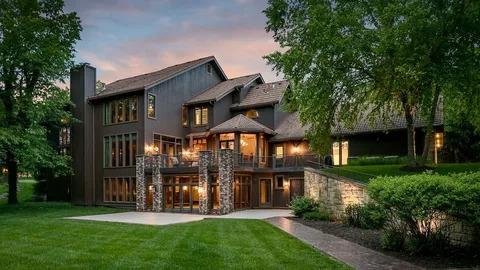
The rental housing market continues to offer different opportunities for property owners, investors, and renters. Among the growing housing options, build to rent properties in Kansas City provide a different approach to residential real estate. Instead of building homes mainly for individual buyers, this model focuses on creating residential properties specifically for long-term rental use. These homes are designed to serve renters while giving investors an opportunity to own income-producing real estate.
Kansas City offers a range of residential property types, including apartments, single-family homes, duplexes, and newly constructed rental properties. Build-to-rent developments stand out because their purpose, planning, and ownership structure often differ from traditional housing. They combine the comfort of a private home with the flexibility of renting.
For investors, this model can provide another way to enter the rental market. For renters, it may offer access to modern housing without the financial responsibilities of purchasing a property. Understanding how these developments work, what makes them different, and which factors influence their value can help buyers make informed decisions.
1. Build-to-Rent Properties Follow a Different Housing Model
One of the biggest differences between build-to-rent properties and traditional residential real estate is their original purpose. Traditional homes are generally built for individual buyers, while build-to-rent homes are planned from the beginning for rental use.
Designed for Long-Term Rental Demand
Build-to-rent properties are developed with renters in mind. Their layouts, features, and locations are selected to support comfortable daily living and practical property management.
For example, a developer may construct several duplexes or single-family rental homes within one area. Instead of selling each home separately, the properties may be retained as rental units or managed under a shared investment structure.
This approach allows the development to focus on the needs of people who prefer renting rather than purchasing a home.
Different From Traditional Rental Properties
Traditional rental homes are often purchased after being built for owner occupancy. An investor may buy an existing house, make repairs, and prepare it for tenants.
Build-to-rent properties follow a different process. They are planned and constructed specifically for rental operations. This can allow developers to consider maintenance access, durable materials, practical floor plans, and tenant needs during the design stage.
However, not every newly constructed rental property qualifies as a build-to-rent development. The intended use and overall development plan are important factors.
A More Purposeful Investment Approach
For investors, this model offers an opportunity to evaluate a property based on its expected rental performance from the beginning.
Rather than adapting an older home to meet tenant expectations, investors may consider a property that was designed for rental use. The final investment value still depends on construction quality, purchase price, rental demand, operating expenses, and location.
2. Modern Design and Practical Features Set These Properties Apart
Another important difference is the focus on design. Build-to-rent properties often aim to combine modern residential features with practical layouts that support everyday living.
Floor Plans That Support Different Household Needs
Renters have different housing requirements. Some need additional bedrooms for family members, while others prefer open living spaces or a separate home office.
Build-to-rent developments may include floor plans that address these needs. Common design considerations include:
-
Open living and dining areas.
-
Functional kitchen layouts.
-
Comfortable bedroom arrangements.
-
Sufficient storage space.
-
Private entrances.
-
Convenient parking arrangements.
-
Outdoor areas, where available.
For example, a two-bedroom duplex may appeal to a small household that wants more privacy than an apartment can provide. A three-bedroom rental home may be more suitable for a family that needs additional living space.
The value of these features depends on their quality, usefulness, and relevance to local renter demand.
New Construction Can Reduce Some Maintenance Concerns
Newly constructed properties may have modern building systems, updated materials, and newer appliances. These features can help reduce certain repair needs during the early years of ownership.
However, new construction does not eliminate maintenance responsibilities. Plumbing problems, heating and cooling issues, appliance failures, and normal property wear can still occur.
Investors should review construction documents, warranties, inspection reports, and maintenance requirements before purchasing.
Balancing Appearance With Durability
A rental property must do more than look attractive. It should also withstand regular use.
Durable flooring, quality fixtures, reliable appliances, and practical exterior materials can help control long-term maintenance costs. These choices may also support tenant satisfaction.
Investors comparing build-to-rent options should consider the expected lifespan and replacement costs of major materials rather than focusing only on appearance.
3. Kansas City's Location Options Influence Investment Potential
Location remains one of the most important factors in residential real estate. Even a well-designed rental home may struggle if it is located in an area with limited tenant demand.
Kansas City and its surrounding communities offer different housing environments. Investors should compare local conditions instead of assuming that every neighborhood will perform in the same way.
Understanding the Kansas City Rental Market
Kansas City includes a mix of established neighborhoods, developing residential areas, and suburban communities. Each location may attract different renter groups.
Some renters prioritize access to employment centers and public services. Others may prefer quieter neighborhoods, larger homes, or convenient access to shopping and schools.
Build-to-rent properties should be evaluated according to the needs of the people most likely to rent them.
Important location factors include:
-
Distance to major employment areas.
-
Access to highways and transportation routes.
-
Nearby grocery stores and shopping centers.
-
Schools and other public services.
-
Neighborhood safety information.
-
Local housing supply.
-
Comparable rental prices.
These factors can help investors understand whether a property has a reasonable chance of attracting and retaining tenants.
Comparing Overland Park With Other Communities
An investment property in Overland Park, KS may attract attention from investors looking at the wider Kansas City metropolitan area.
Overland Park offers a suburban housing environment, but each neighborhood has its own characteristics. Property prices, taxes, rental demand, and competition can vary across the city.
Investors should compare individual properties instead of relying only on the reputation of a location.
For example, a newly built duplex near convenient shopping and employment areas may attract a different renter group from a larger single-family home in another neighborhood.
The important consideration is whether the expected rent supports the total cost of owning and operating the property.
Evaluating Neighborhood-Level Demand
A city-wide market trend does not always reflect conditions in a particular neighborhood.
Before purchasing, investors should review comparable rental listings, recently leased properties, vacancy information, and nearby development activity.
This research can help identify areas where the available rental housing matches what local households are looking for.
4. Build-to-Rent Properties Offer a Different Investment Structure
Build-to-rent real estate can provide investors with an alternative to traditional rental property ownership. However, the investment structure and responsibilities depend on how the development is owned and managed.
Individual Ownership and Larger Developments
Some build-to-rent properties are sold as individual homes or duplexes. An investor may purchase one unit and manage it as a rental property.
Other developments may involve multiple homes owned by one company or investment group. In these cases, the properties may operate as part of a larger rental community.
Each structure has different financial and management considerations.
Individual ownership may give investors more direct control over property decisions. Larger developments may allow certain management tasks to be handled across multiple units.
Neither structure automatically guarantees better returns.
Understanding Rental Income Potential
Rental income is one of the main reasons investors consider build-to-rent properties.
However, the advertised monthly rent is not the same as actual investment profit. Ownership costs must be deducted before evaluating the property's financial performance.
Important expenses include:
-
Mortgage payments and financing costs.
-
Property taxes.
-
Insurance premiums.
-
Routine maintenance.
-
Repairs and replacements.
-
Property management fees.
-
Utilities paid by the owner.
-
Vacancy periods.
-
Marketing and tenant placement costs.
For example, a duplex with two occupied units may generate more monthly rental income than a single-family rental home. However, both units also create separate maintenance and tenant management responsibilities.
A detailed cash flow estimate helps investors understand the property's actual financial potential.
Considering Long-Term Ownership Goals
Some investors prioritize monthly cash flow, while others focus on long-term property appreciation or building a larger rental portfolio.
Build-to-rent properties may support different investment strategies, depending on their purchase price, rental performance, financing, and location.
A property should be evaluated according to the investor's financial goals rather than its development label alone.
5. Tenant Experience and Property Management Are Important Differences
Build-to-rent developments are designed around rental housing from the beginning. As a result, tenant experience and property management can play a central role in their operation.
Creating a Comfortable Rental Experience
Renters often look for more than basic shelter. They may want a private living space, functional rooms, convenient parking, and a well-maintained property.
Build-to-rent homes can address these expectations through thoughtful layouts and suitable residential features.
For example, a duplex with separate entrances may offer greater privacy than a traditional apartment arrangement. A private outdoor area, where available, may also improve the overall living experience.
These features can help a property compete with other rental options when they match local demand.
Consistent Maintenance and Property Care
Property management is essential to protecting the condition of rental homes.
Owners must respond to repair requests, maintain building systems, inspect properties when appropriate, and address problems before they become more expensive.
A structured maintenance plan can help investors manage these responsibilities.
For properties with multiple units, certain maintenance tasks may be coordinated more efficiently. However, individual units still require attention and proper recordkeeping.
Tenant Retention and Vacancy Management
Keeping reliable tenants can help reduce the costs associated with frequent vacancies.
When tenants leave, owners may need to pay for cleaning, repairs, advertising, screening, and preparing the property for another occupant.
A well-maintained rental home with suitable pricing may encourage longer tenancies.
However, tenant retention also depends on factors such as lease terms, communication, neighborhood conditions, and the overall rental experience.
Investors should consider these factors when estimating the long-term performance of a build-to-rent property.
6. Financial Planning Helps Investors Compare Build-to-Rent Opportunities
Although build-to-rent properties can offer an interesting investment model, careful financial planning is necessary before making a purchase.
A property that looks attractive during a showing may not produce the expected results once all ownership costs are considered.
Calculate the Total Purchase and Ownership Costs
Investors should review the complete cost of acquiring and operating a property.
The purchase price is only one part of the financial commitment. Closing costs, inspections, financing charges, insurance, taxes, and possible repairs should also be included.
For new construction, buyers should review what is included in the purchase agreement. They should also identify any additional expenses related to landscaping, appliances, utilities, or unfinished improvements.
A clear cost breakdown makes it easier to compare different investment opportunities.
Estimate Rental Income Carefully
Rental income estimates should be based on comparable properties in the same area.
Investors should avoid relying only on advertised asking rents. Actual leased rental rates provide a more useful picture of what tenants may be willing to pay.
A simple rental analysis should consider:
-
Expected monthly rent for each unit.
-
Potential vacancy periods.
-
Monthly operating expenses.
-
Annual maintenance allowances.
-
Financing and debt obligations.
-
Expected cash flow after expenses.
For example, a duplex with two rental units may produce higher gross income than a single-family home. However, the investor should also account for the possibility that one unit may remain vacant while the other is occupied.
Review Financing and Risk Factors
Financing terms can significantly influence investment performance.
Interest rates, loan requirements, down payments, and repayment schedules affect the total cost of ownership.
Investors should also consider possible risks, including:
-
Unexpected repair expenses.
-
Lower-than-expected rental demand.
-
Increased property taxes.
-
Rising insurance costs.
-
Construction delays.
-
Changes in local rental regulations.
-
Competition from nearby developments.
A financial reserve can help owners manage unexpected costs without placing unnecessary pressure on their investment.
Professional advice from qualified lenders, tax professionals, inspectors, and real estate experts can also support better decisions.
7. Choosing the Right Build-to-Rent Property Requires Careful Research
Not every build-to-rent property is suitable for every investor. The best choice depends on the property's condition, location, financial performance, and expected tenant demand.
A structured evaluation process can help buyers avoid costly mistakes.
Compare New Construction With Existing Rental Homes
New construction may offer updated systems and modern layouts. Existing rental properties may offer different advantages, such as established neighborhood demand or a lower purchase price.
Investors should compare both options using the same financial standards.
For example, a new duplex may require a higher initial investment but could have fewer immediate repair needs. An older duplex may cost less to purchase but require improvements before it is ready for tenants.
The better option depends on the complete cost and expected rental performance.
Review Property Documents and Construction Quality
Before purchasing a new build-to-rent property, buyers should review important documents and confirm that the home meets applicable requirements.
Useful items to examine include:
-
Property inspection reports.
-
Building permits and approvals.
-
Construction specifications.
-
Warranty information.
-
Property tax records.
-
Insurance estimates.
-
Rental agreements, where applicable.
-
Homeowners association rules, if applicable.
An independent inspection can help identify issues that may not be visible during a regular property showing.
Research the Developer and Property Management Plan
The quality of a build-to-rent investment depends partly on the people responsible for construction and ongoing management.
Buyers should review the developer's relevant experience, project documentation, construction standards, and warranty arrangements.
If property management is handled by a separate company, investors should understand its services, fees, maintenance procedures, and tenant screening practices.
For those exploring kansas city investment property for sale, comparing several opportunities can reveal important differences in pricing, location, construction, and rental potential.
Explore Local Real Estate Resources
Reliable local information can help investors understand available properties and make better comparisons.
West Side Villas can serve as a starting point for exploring Kansas City real estate opportunities, including duplexes and investment-focused residential properties.
Buyers should review available property information, compare relevant locations, and conduct independent financial research before making a final decision.
A careful approach helps investors focus on properties that match their budgets and long-term objectives.
Frequently Asked Questions
1. What Are Build-to-Rent Properties in Kansas City?
Build-to-rent properties are residential homes or developments constructed specifically for rental use rather than individual homeownership. They may include single-family houses, duplexes, and multiple rental homes within one development. Their design and planning focus on tenant needs and long-term rental operations.
2. How Are Build-to-Rent Properties Different From Traditional Rental Homes?
Traditional rental homes are often purchased from the existing housing market and later converted into rental properties. Build-to-rent homes are planned and constructed with rental use as their original purpose. This can influence their layouts, materials, maintenance planning, and overall management approach.
3. Are Build-to-Rent Properties a Good Investment in Kansas City?
They may be suitable for investors seeking long-term rental income and residential property ownership. However, investment performance depends on purchase price, rental demand, operating expenses, property condition, financing, and location. A detailed financial analysis is important before purchasing.
4. What Should Investors Check Before Buying a Build-to-Rent Property?
Investors should examine the property's location, construction quality, inspection reports, purchase price, expected rent, property taxes, insurance, maintenance costs, and financing terms. They should also review local rental regulations and compare similar properties before making a decision.
Conclusion
Build-to-rent properties in Kansas City offer a different approach to residential real estate by focusing on rental use from the beginning. Their planned layouts, modern construction possibilities, and rental-focused ownership structures can make them an option worth exploring for investors and renters.
However, the success of any investment depends on more than new construction or attractive design. Location, rental demand, property management, operating expenses, and financing all play important roles in determining long-term value.
Investors comparing duplexes, single-family rentals, and other residential opportunities should carefully evaluate each property's financial potential and local market conditions. Exploring available listings and understanding the differences between developments can help buyers make informed choices.
For those interested in exploring build to rent properties in Kansas City, West Side Villas offers a starting point for researching local real estate opportunities. Reviewing available properties and comparing investment details can help buyers identify options that support their long-term real estate goals.

 English
 Arabic
 French
 Spanish
 Portuguese
 Deutsch
 Turkish
 Dutch
 Russian
 Romaian
 Portuguese (Brazil)
 Greek