
How Does a 24 Hour Funeral Answering Service Help?
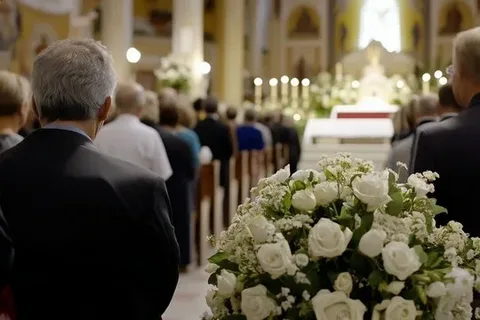
Funeral homes provide essential support to families during some of the most difficult moments of their lives. When someone passes away, families often need immediate assistance, clear information, and compassionate guidance. These needs do not follow a regular business schedule. Calls can come late at night, early in the morning, on weekends, or during holidays. Missing an important call can create additional stress for grieving families and delay necessary arrangements.
A 24 hour funeral answering service helps funeral homes stay available whenever families need assistance. It provides continuous telephone coverage, answers incoming calls, collects important information, and connects urgent requests with the appropriate funeral home staff. This support allows funeral directors to focus on families without having to answer every routine call themselves.
A professional answering service also helps create a consistent experience for callers. Whether someone contacts the funeral home during office hours or in the middle of the night, the call receives professional attention.
Understanding how this service works can help funeral homes improve communication, manage after-hours requests, and provide better support to grieving families. From handling urgent first calls to reducing staff interruptions, a reliable answering solution can make daily operations more manageable.
1. Provides 24/7 Availability for Grieving Families
Families may need funeral assistance at any time. A death can happen unexpectedly, and relatives may not know what steps to take next. They may need to report a death, ask about transportation, or speak with a funeral director immediately.
A 24 hour funeral answering service ensures that incoming calls receive attention even when the funeral home's office is closed.
Handles Calls Outside Regular Business Hours
Traditional office hours cannot cover every situation. Funeral homes often receive calls during evenings, overnight hours, weekends, and public holidays.
An answering service provides an additional communication point during these periods. Instead of reaching an unanswered phone or voicemail, callers can speak with a trained representative.
For example, a family member may call at 2 a.m. after a loved one passes away at home. The answering representative can collect the necessary details and follow the funeral home's instructions for contacting the on-call funeral director.
This process helps ensure that families have a clear way to request assistance.
Supports Families During Unexpected Situations
Grieving families may feel confused or overwhelmed when making their first call. They may have questions about what happens next or whom they should contact.
A professional representative can listen carefully, gather relevant information, and explain the next communication step based on approved procedures.
This support is especially valuable when families need immediate direction but the funeral home's regular office staff are unavailable.
Maintains Consistent Communication
Round-the-clock availability helps funeral homes maintain a dependable communication process.
Families do not have to guess whether someone will answer their calls. They can contact the same funeral home number and receive assistance according to established procedures.
This consistency can strengthen trust and help families feel supported from the beginning of the arrangement process.
2. Helps Funeral Homes Respond to Urgent Calls Faster
Not every incoming call has the same level of urgency. Some callers need general information, while others need immediate assistance from a funeral director.
A professional answering service helps separate routine inquiries from urgent requests so that important messages receive the right attention.
Identifies Urgent Funeral Requests
A mortuary answering service can follow specific call-handling instructions provided by the funeral home.
Representatives may collect information such as:
-
Name of the caller
-
Contact telephone number
-
Name of the deceased
-
Location of the deceased
-
Time of the call
-
Nature of the request
-
Any additional details required by the funeral home
These details help staff understand the situation before returning the call or taking the next required action.
For example, a hospital representative may call to report a death and request information about the next steps. The answering representative can gather the relevant details and notify the designated funeral home contact according to the agreed procedure.
Follows Established Escalation Procedures
Urgent calls should not be handled in the same way as general questions.
Funeral homes can establish instructions that explain which calls require immediate notification and which can wait until regular office hours.
A clear escalation process may include:
-
Identifying the nature of the call.
-
Collecting the required information.
-
Determining the appropriate contact person.
-
Following the funeral home's notification instructions.
-
Confirming that the message has been delivered through the agreed communication method.
These procedures help reduce confusion and support timely responses.
Reduces the Risk of Missed Messages
When funeral directors are attending services, meeting families, or handling arrangements, they may not be able to answer every call.
An answering service provides an additional layer of communication support. It records important information and passes messages to the appropriate staff members.
This helps funeral homes maintain better communication, even during busy periods.
3. Reduces Stress and Workload for Funeral Home Staff
Funeral directors have many responsibilities. They coordinate services, meet families, prepare arrangements, communicate with cemeteries, and manage administrative tasks.
Handling every incoming call can interrupt these responsibilities and increase daily pressure.
A 24 hour funeral answering service helps reduce this workload by managing incoming telephone communication.
Limits Unnecessary Interruptions
Not every call requires the immediate attention of a funeral director.
Some callers may need general information about office hours, service arrangements, directions, or basic procedures. An answering representative can handle appropriate routine inquiries using information approved by the funeral home.
This allows staff to spend more time on important responsibilities.
For example, a funeral director meeting with a grieving family may receive several calls during the appointment. Instead of interrupting the meeting to answer every call, the answering service can collect messages and forward urgent requests according to established instructions.
Supports Better Staff Scheduling
Funeral homes often operate with small teams. Staff members may need to share responsibilities for after-hours calls, which can make scheduling difficult.
After hours answering services for funeral homes provide an additional communication resource outside regular business hours.
This can help funeral homes organize on-call responsibilities more effectively.
Staff members can focus on their assigned duties while the answering service manages the initial telephone interaction.
Helps Prevent Staff Burnout
Constant telephone interruptions can make an already demanding job more stressful.
Funeral professionals regularly support people experiencing grief, loss, and emotional difficulties. They also need time to complete administrative work and manage personal responsibilities.
An answering service can reduce some of the pressure associated with constant phone availability.
Although it does not replace the need for an on-call funeral director, it helps create a more organized system for managing incoming calls.
4. Creates a Professional and Compassionate First Impression
The first telephone conversation can shape how families view a funeral home.
When someone contacts a funeral provider after a death, the caller may be experiencing shock, sadness, or uncertainty. A rushed or unanswered call can make an already difficult situation more stressful.
A professional answering service helps funeral homes maintain a respectful and compassionate communication experience.
Uses a Calm and Respectful Communication Style
Answering representatives should understand that funeral-related calls require patience, empathy, and professionalism.
A suitable approach includes:
-
Speaking clearly and calmly.
-
Listening without interrupting.
-
Showing patience with emotional callers.
-
Avoiding insensitive or rushed language.
-
Collecting information respectfully.
-
Following the funeral home's communication guidelines.
For example, if a caller becomes emotional while explaining a situation, the representative should allow time for the person to speak and gather information without adding unnecessary pressure.
Small details in communication can make a meaningful difference during difficult moments.
Follows Funeral Home-Specific Instructions
Every funeral home may have different procedures, services, and communication preferences.
A professional answering provider should work from instructions supplied by the funeral home. These may include approved greetings, contact details, frequently asked questions, and message-handling procedures.
This helps ensure that callers receive information consistent with the funeral home's policies.
Builds Confidence Through Reliable Communication
Families want to know that their requests are being taken seriously.
When a call is answered professionally and the information is handled correctly, callers can feel more confident about the next steps.
A consistent communication process also helps funeral homes maintain their professional reputation.
5. Improves Communication With Hospitals, Care Facilities, and Other Contacts
Funeral homes communicate with more than families. Hospitals, nursing homes, hospices, medical professionals, and other organizations may also need to contact funeral directors.
These calls can involve important details and time-sensitive requests.
A 24 hour funeral answering service helps manage communication with different types of callers.
Handles Calls From Hospitals and Care Facilities
Hospitals and care facilities may need to contact a funeral home after a death.
These calls can involve information about the deceased, location details, and requests for further instructions.
An answering representative can collect the necessary information and pass it to the appropriate funeral home contact.
This gives healthcare staff a clear communication channel when the funeral home's office is closed.
Supports Communication With Families and Authorized Contacts
Family members may not always be the only people making arrangements or requesting information.
A caller could be an authorized representative, an estate contact, or another person involved in the arrangements.
The answering service can collect caller details and follow the funeral home's instructions for handling the request.
Representatives should avoid sharing confidential information or making decisions about authorization unless the funeral home has provided clear procedures.
Keeps Important Messages Organized
When multiple people contact a funeral home, managing messages can become difficult.
A structured message-taking process helps staff understand who called, why they called, and what action may be required.
Organized communication can reduce misunderstandings and make follow-up easier.
It also gives funeral directors a clearer picture of incoming requests when they return to regular office duties.
6. Supports Better Operations During Busy Periods and Emergencies
Funeral homes may experience periods when call volumes increase. Multiple families may need assistance at the same time, or staff may be occupied with services and arrangements.
During these periods, managing every call internally can become challenging.
A mortuary answering service provides additional telephone support to help maintain communication.
Manages Calls During Funerals and Family Meetings
Funeral directors often spend extended periods attending services, meeting relatives, and coordinating arrangements.
These responsibilities may prevent them from answering incoming calls immediately.
An answering service can receive calls while staff members are occupied.
For instance, if a funeral director is leading a family arrangement meeting, the answering representative can collect incoming messages and notify the director about urgent requests.
This allows the meeting to continue without unnecessary interruptions.
Provides Support During Weekends and Holidays
Deaths and funeral arrangements do not stop during weekends or holidays.
However, many funeral homes operate with reduced office staffing during these periods.
After hours answering services for funeral homes help maintain a consistent point of contact when regular employees are unavailable.
This can be particularly useful when families need to report a death or request assistance outside normal working hours.
Helps Manage Unexpected Call Volume
Unexpected events can create additional communication demands.
A funeral home may receive several calls within a short period because of multiple arrangements, scheduled services, or urgent family requests.
An external answering service can help manage incoming calls based on its agreed capacity and procedures.
Before choosing a provider, funeral homes should understand its call-handling capacity, staffing arrangements, and backup procedures.
These details help determine whether the service can support the funeral home's actual communication needs.
7. Offers a Practical Communication Solution for Long-Term Growth
As a funeral home grows, its communication needs may also increase.
More families, additional locations, and expanded services can create greater demand for reliable telephone support.
A 24 hour funeral answering service can help funeral homes manage these demands without relying entirely on their internal staff.
Provides Flexible Communication Support
Funeral homes have different operational needs.
Some may require overnight call coverage, while others may need assistance throughout the day and night.
A suitable answering provider should offer arrangements that match the funeral home's requirements.
Before selecting a service, funeral directors should consider:
-
Hours of telephone coverage.
-
Experience handling funeral-related calls.
-
Staff training and communication standards.
-
Message delivery methods.
-
Urgent call escalation procedures.
-
Backup arrangements during busy periods.
-
Data privacy and confidentiality practices.
-
Pricing and service terms.
Evaluating these areas helps funeral homes choose a provider that fits their daily operations.
Helps Control Communication-Related Costs
Hiring additional employees solely to manage telephone coverage may not be practical for every funeral home.
An answering service can provide an alternative by handling agreed communication tasks through an external provider.
The overall value depends on the service plan, call volume, staffing needs, and business requirements.
Funeral homes should compare the total cost of different options rather than assuming that every external service will automatically be less expensive.
Supports a More Organized Customer Experience
A reliable communication system helps funeral homes manage calls consistently.
When representatives follow clear instructions, collect accurate information, and deliver messages to the right people, the internal team can work more efficiently.
AS4FS is one provider funeral homes can consider when evaluating answering support for the funeral industry. As with any provider, funeral directors should review its current services, procedures, coverage, and terms to determine whether they match the needs of the business.
Choosing the right provider can help create a dependable communication process that supports both staff members and grieving families.
Frequently Asked Questions
1. What Is a 24 Hour Funeral Answering Service?
A 24 hour funeral answering service is a telephone support solution that helps funeral homes manage incoming calls throughout the day and night. It allows families, hospitals, and other contacts to reach a representative when regular office staff are unavailable. Representatives can collect messages, gather important information, and notify designated funeral home staff according to established instructions.
2. Why Do Funeral Homes Need After-Hours Answering Services?
Funeral homes need after-hours answering services because deaths and urgent requests can occur at any time. Families may need immediate assistance during evenings, weekends, or holidays. An answering service helps ensure that calls receive professional attention and that important messages reach the appropriate funeral director.
3. What Should a Funeral Home Look for in a Mortuary Answering Service?
A funeral home should look for a provider with experience handling funeral-related calls, professional communication standards, reliable message delivery, and clear emergency escalation procedures. Confidentiality, staff training, service availability, backup arrangements, and pricing are also important factors to consider.
4. Can a Funeral Answering Service Handle Emergency Calls?
Yes, a funeral answering service can handle urgent calls by following procedures established by the funeral home. Representatives can collect essential information and contact the designated on-call funeral director. However, the service does not replace the funeral home's professional staff or make decisions outside its assigned responsibilities.
Conclusion
A 24 hour funeral answering service plays an important role in helping funeral homes maintain reliable communication with families, hospitals, and other contacts. Since funeral-related needs can arise at any time, continuous telephone coverage helps ensure that callers have a dependable way to request assistance.
From managing urgent calls and reducing staff interruptions to improving communication and creating a compassionate first impression, a professional answering service supports several important areas of funeral home operations.
It also helps funeral directors spend more time supporting grieving families while routine telephone responsibilities are managed through an organized process.
Choosing the right provider requires careful consideration of experience, call-handling procedures, confidentiality, availability, and service costs. Funeral homes looking for dependable communication support can explore AS4FS and evaluate how its answering solutions align with their operational needs.
With the right support system, funeral homes can improve telephone communication, support their staff, and remain accessible to families whenever assistance is needed.

 Arabic
 French
 Spanish
 Portuguese
 Deutsch
 Turkish
 Dutch
 Italiano
 Russian
 Romaian
 Portuguese (Brazil)
 Greek