
What Makes Wooden Boards The First Choice For Indian Families
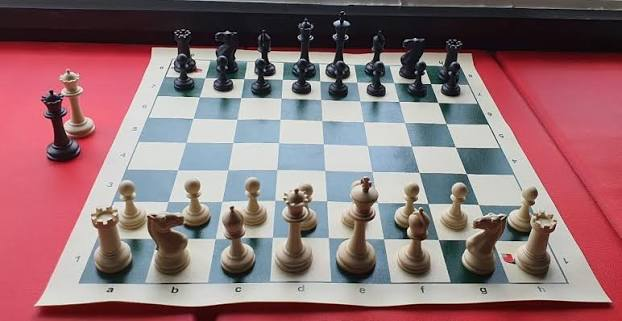
Chess is a two-player board game played on 64 squares, where each side commands 16 pieces and wins by trapping the rival king. The game reached India as chaturanga centuries ago and now lives in homes, schools, clubs and tournament halls across the country. Chess sets come in wood, plastic, glass and electronic forms, and the game serves as indoor sport, entertainment, education and professional training.
A recent study by Markntel Advisor highlights that the India Chess sector covers wooden, plastic, glass and electronic chess sets for children and adults across low-cost, mid-range and high-end price bands. The study tracks online and offline sales channels, including specialty stores and supermarkets, and maps demand across household, school and commercial buyers across Indian states.
How Different Boards Serve Different Kinds Of Chess Players
Wooden chess sets lead the traditional end of the range, prized for craftsmanship and weight, and they suit homes, clubs and tournament play. Plastic sets offer a light, low-cost option for children and beginners, while glass sets serve as decorative pieces for living rooms and offices. Electronic chess sets bring sensors, screens and coaching hints to the board, attracting players who want to practise alone or learn faster.
Each material answers a different buyer. Wood suits players who value a Staunton feel and a board that lasts for decades, while plastic suits schools and families who need sets at a low price. Glass sets appeal to gift buyers and collectors who display the board as much as they play on it. Electronic sets answer the newest buyers, who expect the board to record moves and suggest lines.
Why Schools Now Treat Chess As A Classroom Tool For Young Minds
Schools now treat chess as a classroom tool, using the game to sharpen memory, patience and planning in children. Coaches run professional training for young players who aim at district, state and national tournaments, and chess academies have spread across Indian cities. The game also serves indoor entertainment and recreation, giving families a screen-free activity that keeps children thinking while they play together at home.
Children form the largest learning group, with parents buying low-cost and mid-range sets for practice and school clubs. Adults buy chess for a different reason, seeking a challenge after work and a game that rewards study. Clubs keep adult players engaged, while tournaments run under the International Chess Federation give both age groups a stage to test their skill. The two groups together keep the game alive across generations.
Where Indian Buyers Pick Up Their Next Chess Set These Days
Online stores now carry the widest choice of chess sets, from low-cost plastic boards to high-end wooden and electronic sets, and they reach buyers in small towns as well as big cities. Offline shops still matter, with specialty stores offering expert advice and a chance to hold the pieces before buying. Supermarkets and hypermarkets stock sets for gift buyers, while dedicated chess shops serve players who want tournament-grade boards.
Pricing splits the range into three bands that match buyer budgets. Low-cost sets put a first board in a child's hands without a big spend, and they dominate school and family purchases. Mid-range sets balance quality wood or sturdy plastic with a fair price, suiting club players and regular home use. High-end sets use fine wood and hand carving, and they attract collectors and gift buyers.
What Chess Looks Like From Delhi Streets To Chennai Classrooms
Chess reaches buyers in every part of India, with the north led by Delhi, Uttar Pradesh and Punjab, and the south by Tamil Nadu, Andhra Pradesh and Telangana. The east counts West Bengal, Odisha and Bihar among its chess centres, while the west counts Maharashtra, Gujarat and Rajasthan. Each region has its own clubs, academies and tournament calendar, so the game grows through communities rather than a national centre.
Chess serves five clear uses in Indian homes and institutions. As indoor sport it fills tournament halls, as indoor entertainment it fills family evenings, and as education it fills school timetables. Professional training turns talented children into rated players, while recreational play keeps the game open to anyone who wants a quiet hour with a board. Together these uses keep chess present in daily life across the country.
How Indian Chess Makers Keep An Ancient Game Moving Forward
Indian chess makers such as Enterro Chess, Paramount Chess, BC Best Chess, Royal Chess Mall and Chessbazaar supply boards to homes, schools and clubs, while Palm Royal Chess, Chess N Crafts, Shri Ganesh International, Staunton Castle and Bharati International add their own designs. ChessBase India covers the game through tournament news and player stories, and the ancient game keeps finding new players in every Indian state.

 English
 Arabic
 French
 Spanish
 Portuguese
 Turkish
 Dutch
 Italiano
 Russian
 Romaian
 Portuguese (Brazil)
 Greek