
Smart Home Technology in Dubai: A Practical Guide for Homeowners
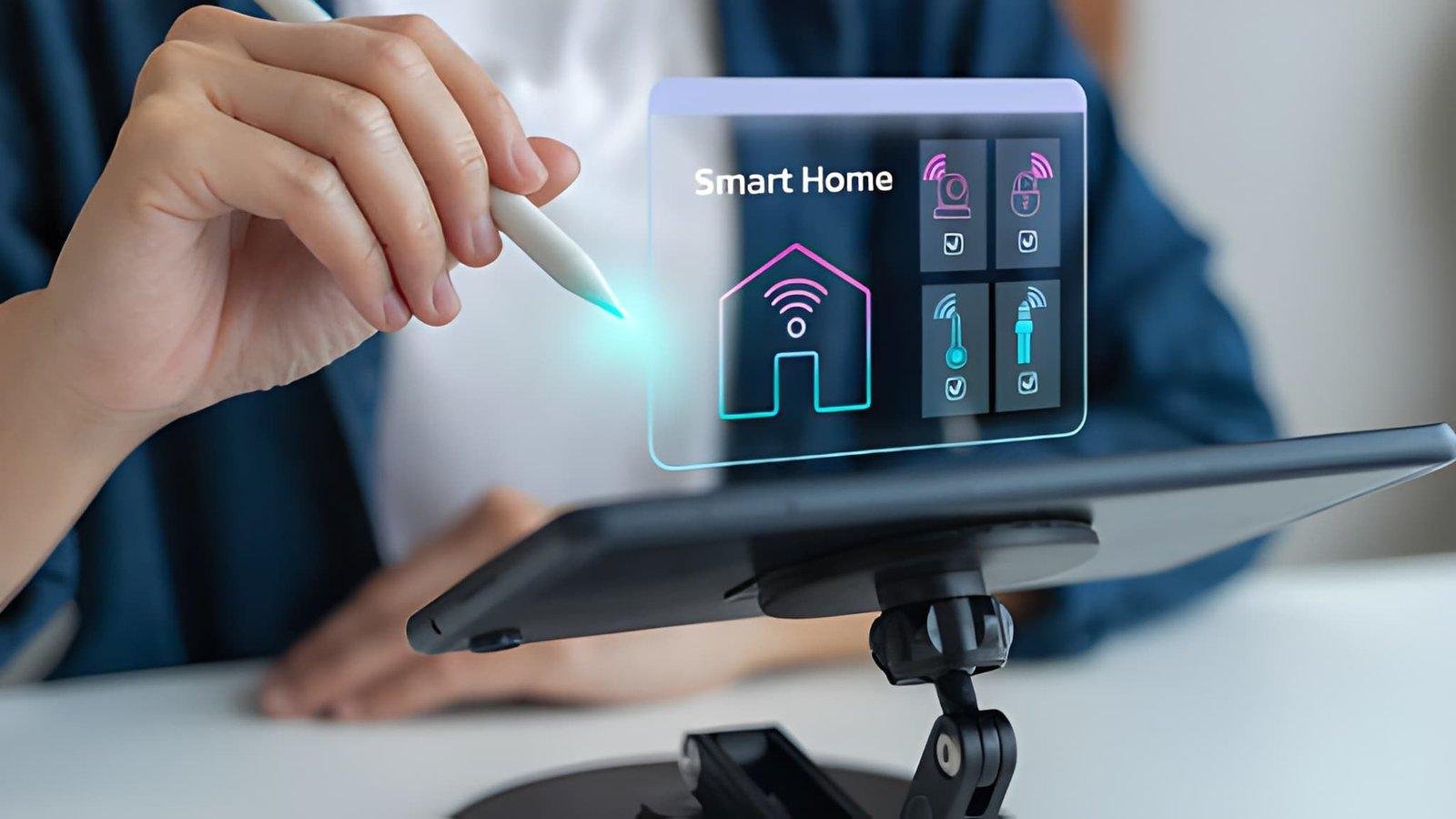
Dubai is one of the easiest places in the world to live in a connected home. New developments often arrive pre-wired, high-speed fibre is widely available, and residents are comfortable with technology. Yet many people still end up with a pile of devices that don’t talk to each other, or a system so complicated that only one family member dares touch it.
This guide focuses on what makes Smart Home Technology in Dubai genuinely useful in Dubai, how to plan one, and where people commonly go wrong.
What “Smart Home” Actually Means
A smart home isn’t a collection of gadgets. It’s a set of devices, such as lighting, cooling, security, curtains, and entertainment, that work together through a common system and can be controlled from one place, by voice, app, wall panel, or automated schedule.
The key word is together. A smart bulb controlled by one app and a smart thermostat controlled by another gives you convenience on paper and frustration in practice. The best installations feel almost invisible: lights set themselves for the evening, the AC eases off when nobody is home, and the front door tells you who is there.
Why Dubai is Different
Several local factors shape what works well here:
Cooling dominates energy use. With long, hot summers, air conditioning is typically the largest part of a household’s electricity bill. Smart thermostats and zoned cooling, which cools occupied rooms rather than the whole villa, offer some of the most tangible returns of any smart upgrade.
Many people travel. Residents often spend weeks away in summer. Remote monitoring of cameras, door locks, leak sensors, and lights gives real peace of mind, and simulated occupancy makes an empty home look lived in.
Property types vary widely. A high-rise apartment in Dubai Marina has different needs from a multi-storey villa in Arabian Ranches or a townhouse in Dubai Hills. Apartments often prioritise access, lighting, and climate, while villas add gates, gardens, pool equipment, and perimeter security.
Rental and ownership both matter. Tenants can’t rewire, but they can use plug-in, battery-powered, or wireless devices. Owners building or renovating can plan a fully integrated system from day one.
The Core Building Blocks
Lighting and Scenes
Smart lighting is often the first step and the most enjoyed. Beyond turning lights on from your phone, the real value lies in scenes: one touch for “Movie Night” dims the living room, closes the curtains, and sets the TV. Dimmable, warm-to-cool adjustable lighting also improves comfort across the day.
Climate Control
Smart thermostats learn schedules, respond to presence, and let you pre-cool the home before you arrive. Pairing them with window and door sensors prevents the common problem of cooling the outdoors. Integrating with motorised blinds, which block afternoon sun, reduces the load further.
Security and Access
This is where Smart Living Technology earns trust. A well-designed setup includes IP cameras, a video doorbell, smart locks, motion sensors, and alerts that distinguish between a person and a passing shadow. Smart locks let you issue temporary codes for maids, delivery staff, or guests, and revoke them instantly. For villas, gate and garage integration closes the loop.
Leak, Smoke, and Safety Sensors
These are inexpensive and easily overlooked. A water leak sensor under a kitchen sink or near an AC drain can prevent serious damage while you’re away. Smoke and gas sensors that notify your phone add safety when the home is empty.
Audio, Video and Voice Control
Multi-room audio and home cinema can be tied into the same system. Voice assistants are useful as a convenience layer, but they shouldn’t be the only way to control essentials. Wall switches and apps should always work as backups.
Choosing a System: Wireless, Wired, or Hybrid
Wireless systems (Zigbee, Z-Wave, Wi-Fi, Matter-compatible devices) are quicker and cheaper to install, ideal for apartments, rentals, and existing homes.
Wired systems (KNX or similar bus-based platforms) are extremely reliable and suited to new builds or major renovations, though they cost more upfront and need planning before walls are finished.
Hybrid setups use wired infrastructure for critical elements like lighting and climate, and wireless devices for add-ons. For many villas, this balance offers reliability without locking you into one brand.
Whichever route you take, look for open standards. Matter, an industry standard supported by many major manufacturers, is designed to let devices from different brands work together, reducing the risk of being locked in.
Common Mistakes to Avoid
-
Buying devices before planning. Decide what you want to achieve first, then choose products.
-
Weak Wi-Fi. A smart home is only as reliable as its network. Large villas typically need multiple access points or a mesh system, ideally wired back to the router.
-
Ignoring cybersecurity. Use strong unique passwords, enable two-factor authentication, keep firmware updated, and put smart devices on a separate network where possible.
-
Over-automating. If guests can’t switch on a light without an app, the system has failed. Keep manual controls intuitive.
-
Skipping a handover. Everyone in the household should know how to use the system, including what to do if the internet is down.
Privacy and Local Considerations
Cameras and recording devices should cover your own property and not neighbouring windows or gardens, as UAE privacy laws are taken seriously. In managed communities, check with the developer or owners’ association before external installations. Reputable installers will also advise on data storage and where your footage and voice data are processed.
Planning Your Smart Home Step by Step
-
List your priorities. Security, energy savings, convenience, or entertainment? Rank them.
-
Survey the property. Check network coverage, existing wiring, and power availability.
-
Start with the essentials, typically network, security, lighting, and climate, then expand.
-
Choose a central platform that can grow with you.
-
Test and fine-tune after installation. Adjust schedules and sensitivity based on how your household really lives.
Smart Living Technology works in this order: understand the home and the people in it, design a system around real routines, and configure everything so it’s simple for the whole household to use.
Looking Ahead Through 2027
Through the end of 2027, expect wider adoption of Matter-compatible devices, smarter energy management tied to usage patterns, more capable on-device AI for cameras and sensors, and tighter integration between security, access, and climate. Choosing a flexible, standards-based platform today keeps your home upgradeable rather than obsolete.
A good smart home doesn’t show off. It quietly makes daily life safer, cooler, and easier.
Frequently Asked Questions
How much does it cost to make a home smart in Dubai?
It varies widely. A starter setup with smart lighting, a video doorbell, and a thermostat in an apartment costs far less than a fully integrated villa with wired control, multi-room audio, and security. A site assessment lets an installer give you an accurate quote based on your property and goals.
What is the best smart home system for a villa in Dubai?
There’s no single best option. Villas usually benefit from a hybrid approach: a reliable wired or hub-based core for lighting, climate, and security, with flexible wireless devices for extras. Look for open-standard support so you aren’t tied to one brand.
Why does my smart home need a strong Wi-Fi network?
Most smart devices depend on your network to communicate and to reach your phone remotely. Weak coverage leads to lagging commands, offline cameras, and failed automations. Multiple access points, wired backhaul, and a quality router make a significant difference.
How can smart home technology reduce my electricity bill in Dubai?
Mainly through smarter cooling. Scheduled thermostats, zoned AC, presence detection, and motorised blinds cut unnecessary cooling, while smart plugs and lighting schedules trim smaller loads. Actual savings depend on your usage habits and property.
What happens to my smart home if the internet goes down?
Well-designed systems keep core functions working locally, such as lights, switches, and sensors, even without the internet. Remote access and cloud-based voice control pause until connection returns. A backup battery for your router and hub helps through short outages.

 English
 French
 Spanish
 Portuguese
 Deutsch
 Turkish
 Dutch
Dutch
 Italiano
 Russian
 Romaian
 Portuguese (Brazil)
 Greek
Greek