
What Is a Fire Risk Assessment in Westminster and Why Is It Important?
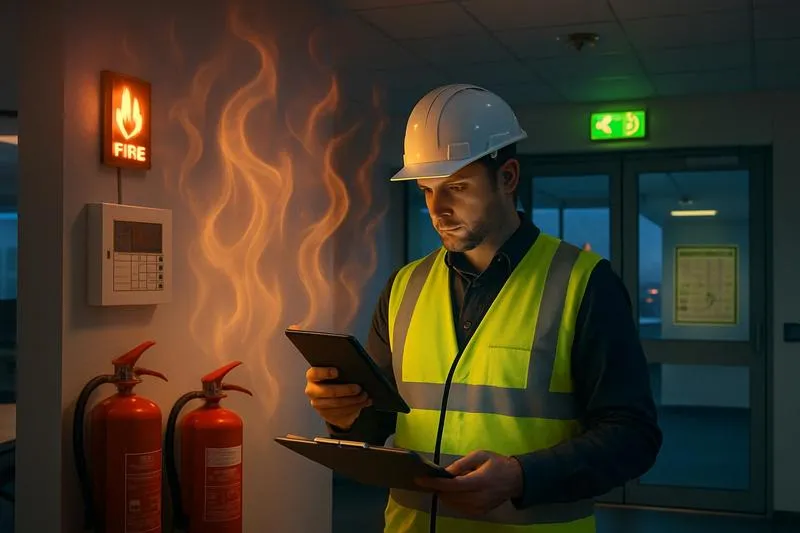
Are you looking for a professional Fire Risk Assessment in Westminster? Fire safety is essential for protecting people, property, and businesses from potential fire hazards. Whether you manage a commercial building, residential property, office, restaurant, shop, or rental accommodation, understanding fire risks is an important part of maintaining a safe environment.
A Fire Risk Assessment helps identify potential fire hazards, evaluate the risks to occupants, and recommend suitable precautions to prevent fires and support safe evacuation. In Westminster, where residential buildings, offices, hospitality venues, and historic properties are common, effective fire safety management is particularly important.
This guide explains what a Fire Risk Assessment involves, why it matters, which properties may need one, and how to choose a suitable fire safety professional.
What Is a Fire Risk Assessment in Westminster?
A Fire Risk Assessment in Westminster is a systematic review of a building to identify fire hazards and evaluate the risks they present to people. It also examines the adequacy of existing fire safety measures and identifies improvements where necessary.
A competent fire risk assessor considers the building's layout, occupancy, fire detection systems, escape routes, emergency lighting, firefighting equipment, and arrangements for evacuation.
The assessment should reflect the property's actual use, size, condition, and the people who may be affected by a fire. For example, a small retail shop may have different requirements from a multi-storey office, restaurant, or residential block.
Following the assessment, the responsible person can use the findings to develop an action plan, address shortcomings, and maintain appropriate fire safety arrangements.
Why Is a Fire Risk Assessment Important in Westminster?
Westminster contains a wide variety of properties, including offices, shops, hotels, restaurants, apartment buildings, and historic premises. Each type of building can present different fire safety challenges.
A professional assessment offers several important benefits.
1. Identifying Fire Hazards
Fire hazards may include overloaded electrical sockets, faulty equipment, combustible materials, unsafe storage practices, and poorly maintained heating systems.
An assessment helps identify these hazards and recommends practical measures to reduce the likelihood of a fire.
2. Protecting Occupants and Visitors
Employees, residents, customers, contractors, and visitors need suitable protection from fire. Assessors consider who uses the building and whether anyone may require additional assistance during an emergency.
These findings help property managers develop appropriate evacuation arrangements and communicate emergency procedures effectively.
3. Supporting Legal Compliance
Fire safety legislation in England places duties on responsible persons to assess fire risks and implement appropriate precautions.
The Regulatory Reform (Fire Safety) Order 2005 is a key piece of legislation covering most non-domestic premises in England and Wales. The Fire Safety Act 2021 and Fire Safety (England) Regulations 2022 also introduce relevant provisions for certain residential buildings.
The precise duties depend on the premises and circumstances. A suitable and sufficient Fire Risk Assessment helps the responsible person understand and manage their obligations.
4. Reducing Property Damage
Fire can cause significant structural damage, business interruption, financial losses, and disruption to residents. Identifying hazards and improving preventive measures can reduce the likelihood and potential consequences of a fire.
Which Properties Need a Fire Risk Assessment in Westminster?
Fire safety assessments are relevant to many types of premises throughout Westminster.
- Commercial offices: Assessments review electrical equipment, escape routes, fire alarms, emergency lighting, and staff evacuation procedures.
- Retail shops: These focus on customer safety, stock storage, ignition sources, and unobstructed exits.
- Restaurants and cafés: Kitchens, cooking equipment, extraction systems, and combustible materials require particular attention.
- Hotels and guest accommodation: Assessors consider sleeping occupants, alarm arrangements, escape routes, and emergency instructions.
- Residential blocks: Assessments may need to consider communal areas, shared escape routes, fire doors, and relevant building-specific requirements.
- Historic buildings: Older structures may have unusual layouts, construction materials, or restrictions affecting how fire safety improvements can be implemented.
The legal requirements differ between property types. For example, the duties for communal areas in a block of flats are not identical to those for an individual private dwelling.
What Does a Fire Risk Assessment Include?
A comprehensive assessment typically examines several important areas of fire safety.
Fire Hazard Identification
The assessor identifies possible ignition sources, combustible materials, and conditions that could allow a fire to start or spread.
People at Risk
The assessment considers employees, residents, customers, visitors, contractors, and people who may need assistance during evacuation.
Fire Detection and Warning Systems
The assessor reviews whether fire detection and alarm arrangements are appropriate for the building and its occupancy.
Emergency Escape Routes
Corridors, stairways, exits, and final escape doors are checked for suitability, accessibility, and obstruction. Emergency lighting and exit signage may also be reviewed.
Firefighting Equipment
Where appropriate, the assessment considers the provision, suitability, accessibility, and maintenance of fire extinguishers and other firefighting equipment.
Fire Doors and Compartmentation
Fire doors, walls, floors, and other protective features can help restrict the spread of smoke and fire. Their condition and effectiveness may be considered as part of the assessment.
Fire Safety Procedures
The assessor reviews emergency plans, staff training, maintenance arrangements, and procedures for raising the alarm and evacuating the premises.
The final report should document significant findings, identify necessary improvements, and help the responsible person prioritise actions.
How Much Does a Fire Risk Assessment Cost in Westminster?
The cost of a Fire Risk Assessment in Westminster depends on the property's size, complexity, occupancy, and intended use.
A small shop or office may require a relatively straightforward assessment, while a large commercial building, hotel, or multi-storey residential block may require more time and specialist expertise.
Factors affecting the cost include:
- The size and layout of the premises.
- The number of floors and occupants.
- The complexity of fire safety systems.
- The building's condition and existing documentation.
- The level of detail required in the report.
- Whether specialist inspections or follow-up visits are necessary.
For an accurate quotation, provide the assessor with the property address, approximate floor area, building use, number of floors, and any known fire safety concerns. Always confirm what the quoted fee includes before proceeding.
How Can You Choose a Fire Risk Assessor in Westminster?
Selecting a competent assessor is important for obtaining a useful, reliable assessment.
Look for relevant fire safety qualifications, appropriate practical experience, and knowledge of the legislation applicable to your property. Assessors should understand the risks associated with your building type and be able to explain their findings clearly.
You should also check whether the assessor has suitable professional indemnity insurance, provides a written report, and offers clear recommendations for addressing identified risks.
Professional registration or third-party certification can provide additional evidence of competence. However, the responsible person should still verify that the assessor has the skills and experience required for the specific premises.
Avoid choosing a service based on price alone. A low-cost assessment that overlooks significant hazards may leave occupants exposed to unnecessary risks and fail to meet legal expectations.
When Should You Update a Fire Risk Assessment?
A Fire Risk Assessment should be reviewed regularly and whenever there is reason to believe it is no longer valid or there has been a significant change.
Examples include building alterations, changes in occupancy, new equipment, changes to escape routes, fire incidents, or the identification of previously overlooked hazards.
There is no single review interval that applies to every property. The responsible person should establish a suitable review process based on the premises, risks, and applicable requirements.
A Fire Risk Assessment in Westminster is an important part of protecting occupants, reducing fire hazards, and managing fire safety responsibilities. From offices and retail premises to hotels and residential blocks, each building requires an assessment appropriate to its individual risks.
By identifying hazards, reviewing escape arrangements, checking fire protection measures, and implementing recommended improvements, property owners and responsible persons can create safer environments.
Choosing a competent fire risk assessor and reviewing the assessment when circumstances change can help maintain effective fire safety arrangements and support compliance with applicable legislation.
Frequently Asked Questions
1. Is a Fire Risk Assessment a legal requirement in Westminster?
A Fire Risk Assessment is generally required for workplaces and other premises covered by the Regulatory Reform (Fire Safety) Order 2005. Specific duties depend on the type and use of the property.
2. Who is responsible for a Fire Risk Assessment?
The responsible person is generally the employer, building owner, landlord, managing agent, or another person with relevant control, depending on the premises and circumstances.
3. How long does a Fire Risk Assessment take?
The time required depends on the property's size, layout, occupancy, and complexity. Small premises may take less time than large or multi-storey buildings.
4. How often should a Fire Risk Assessment be reviewed?
It should be reviewed regularly and whenever significant changes occur or there is reason to believe the existing assessment is no longer valid.
5. What does a Fire Risk Assessment report include?
A report typically records identified fire hazards, people at risk, existing safety measures, significant findings, and recommended actions to improve fire safety.

 English
 French
 Spanish
 Portuguese
 Deutsch
 Turkish
 Dutch
Dutch
 Italiano
 Russian
 Romaian
 Portuguese (Brazil)
 Greek
Greek