
Solar Battery Cost in Australia: A Complete Guide for Homeowners
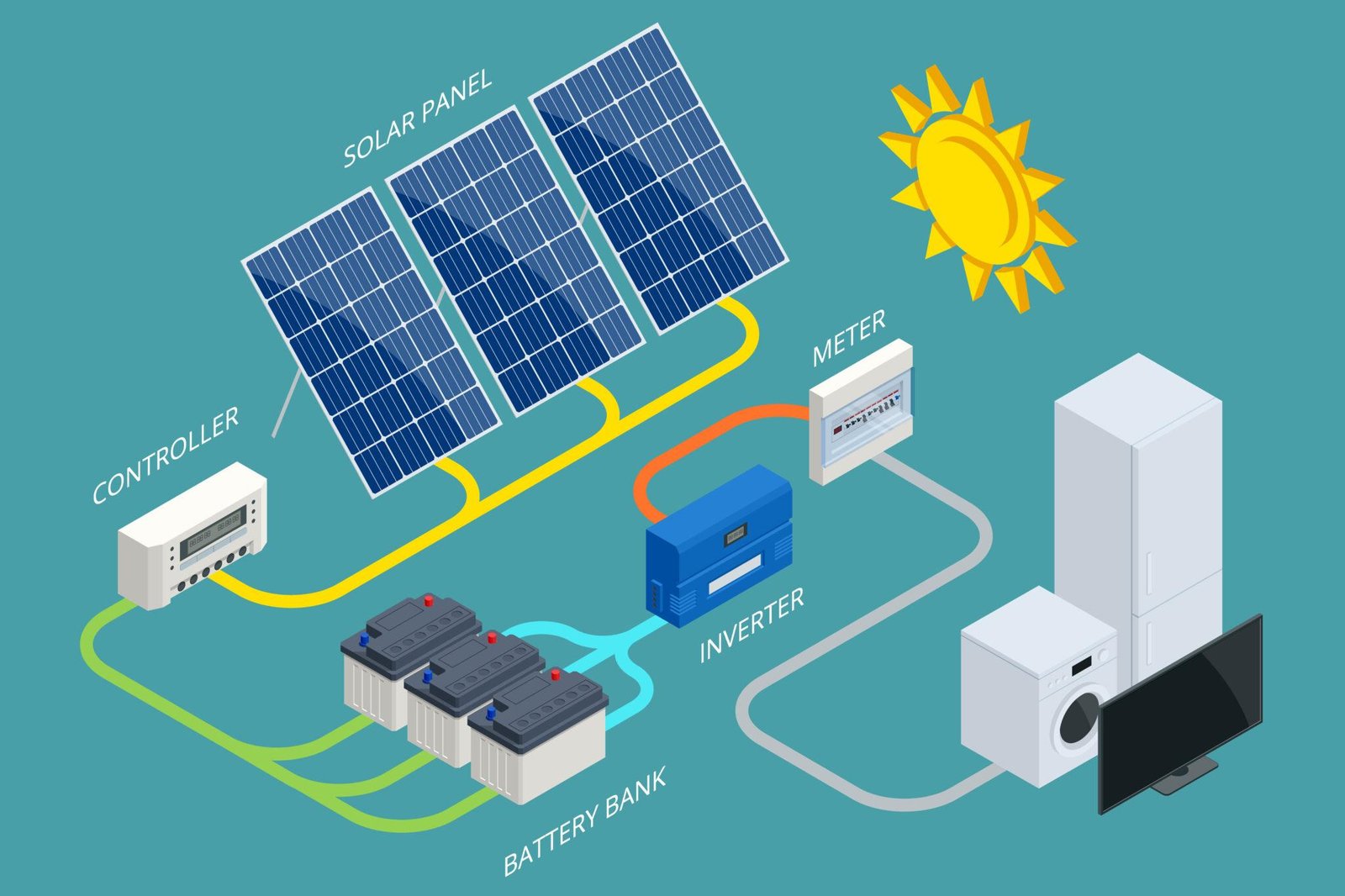
Understanding the solar battery cost is an important step for Australian homeowners considering a battery for their solar power system. Solar panels generate electricity during the day, but households often use more power in the evening when sunlight is no longer available. A solar battery stores excess solar energy so it can be used when needed.
The total cost depends on several factors, including battery capacity, brand, installation requirements, inverter compatibility, and available government incentives. Knowing how these factors affect pricing can help you choose a system that suits your home, energy consumption, and budget.
In this guide, we explain solar battery prices, the factors that influence installation costs, and how to decide whether a battery is a suitable investment for your property.
How Much Does a Solar Battery Cost in Australia?
The cost of a solar battery varies depending on its storage capacity, features, and installation requirements. According to Australian consumer guidance published in 2026, typical installed prices after the federal battery discount are approximately:
- 10 kWh battery: $7,000–$11,000
- 15 kWh battery: $11,000–$15,000
- 20 kWh battery: $14,000–$19,000
- 30 kWh battery: $18,000–$22,000
These figures are indicative estimates, not fixed quotes. The actual price may be higher if your property requires additional electrical work, a new inverter, or a more complex installation. Always confirm whether a quoted price includes installation, GST, and applicable rebates.
What Factors Affect Solar Battery Cost?
Several factors determine the final price of a solar battery system. Understanding them can help you compare quotes more effectively.
1. Battery Capacity
Battery capacity, measured in kilowatt-hours (kWh), determines how much electricity the battery can store. A smaller battery may be sufficient for a household with moderate evening energy use, while a larger household may require more storage.
Choosing the right capacity is important. A battery that is too small may not cover your evening electricity needs, while an oversized battery may cost more than necessary.
2. Battery Brand and Technology
Different manufacturers offer batteries with different features, warranties, monitoring options, and performance specifications. Some models provide modular storage, allowing you to increase capacity later, while others are designed as complete units.
Compare usable capacity, expected lifespan, warranty conditions, and local support rather than choosing a battery based on price alone.
3. Inverter Compatibility
Your inverter plays an important role in connecting the battery to your solar system. If your existing inverter supports battery integration, installation may be more straightforward.
However, some properties require a hybrid inverter or additional battery equipment. These extra components can increase the overall solar battery cost.
4. Installation Requirements
Installation costs depend on the battery location, wiring, electrical configuration, and safety requirements. Difficult access, switchboard upgrades, and additional backup equipment can increase the price.
Request a detailed quote that separates equipment, installation, and any additional electrical work.
Is a Residential Battery System Worth the Investment?
A Residential battery system allows homeowners to store surplus solar electricity generated during the day and use it later. This can reduce the amount of electricity purchased from the grid, particularly during evening peak periods.
For example, a household that generates more solar electricity than it uses during the afternoon may store the surplus in its battery instead of exporting all of it to the grid. The stored energy can then power lights, appliances, and other household equipment after sunset.
A residential battery system may be particularly useful if:
- Your household uses significant electricity in the evening.
- You want to increase the amount of solar energy you use yourself.
- Your electricity plan has high evening rates.
- You need backup power during outages and choose a suitable backup configuration.
However, a battery does not guarantee lower bills in every situation. Your savings depend on your energy usage, electricity tariffs, solar generation, battery efficiency, and upfront costs.
Can Government Rebates Reduce Solar Battery Cost?
Government incentives can make battery installation more affordable for eligible Australian households and businesses.
The Australian Government's Cheaper Home Batteries Program began on 1 July 2025 and provides a discount on eligible small-scale battery installations through the Small-scale Renewable Energy Scheme. The discount is applied through participating retailers and installers, subject to the program's requirements.
The discount structure changed from 1 May 2026, so the amount available depends on factors such as battery capacity and the applicable rules at the time of installation.
Before purchasing a battery, ask your installer to confirm:
- Whether the proposed battery and installation meet the program requirements.
- The discount included in your quote.
- Whether the quoted amount is before or after the discount.
- Any additional state or local incentives for which you may qualify.
You should also request an estimate of expected savings and the payback period rather than assuming the rebate alone makes the investment worthwhile.
How Can You Get the Best Value from a Solar Battery?
Choosing the right battery involves more than finding the lowest upfront price. A well-matched system can provide better value over its useful life.
Assess your electricity consumption: Review your electricity bills to understand how much power you use during the day and evening.
Choose an appropriate battery size: Match usable battery capacity to your typical energy needs and the surplus electricity your solar panels generate.
Compare multiple quotes: Ask installers to provide comparable system specifications, installation costs, warranties, and estimated savings.
Check safety and warranty details: Confirm that the battery is approved for use in Australia and that the installer is appropriately qualified and accredited.
Understand backup functionality: If you want electricity during a blackout, check whether the system supports backup power and which circuits it can supply.
Calculate the payback period: Compare the total installed cost with realistic annual savings. Include changes in electricity prices, battery performance over time, and any ongoing costs in your assessment.
Conclusion
The solar battery cost in Australia depends on battery size, equipment, installation requirements, and available incentives. While a larger battery can store more energy, the best choice is the one that matches your household's electricity usage and provides realistic financial benefits.
Before making a decision, compare detailed quotes, check battery quality and warranty coverage, and calculate potential savings based on your actual energy consumption. A properly designed residential battery system can help you make better use of your solar power, reduce reliance on grid electricity, and improve your household's energy independence.
Frequently Asked Questions
1. What is the average solar battery cost in Australia?
The price depends on battery capacity, brand, installation complexity, and available incentives. In 2026, indicative installed prices after the federal discount range from around $7,000 for a 10 kWh battery to $22,000 for some 30 kWh installations.
2. How long does a solar battery last?
Battery lifespan varies by manufacturer, technology, operating conditions, and usage. Check the product warranty, expected cycle life, and guaranteed capacity at the end of the warranty period before buying.
3. Can I add a battery to my existing solar panels?
Yes. Many existing solar systems can be upgraded with a compatible battery. However, your inverter and electrical setup may need changes, which can affect installation costs.
4. Will a solar battery eliminate my electricity bill?
Not necessarily. A battery can reduce grid electricity use, but some households will still pay supply charges or need electricity from the grid when solar generation and stored energy are insufficient.
5. How do I know which battery size is right for my home?
Review your electricity consumption, evening demand, solar generation, and the amount of surplus energy available for charging. A qualified installer can assess these factors and recommend a suitable capacity.

 English
 Arabic
 French
 Spanish
 Portuguese
 Turkish
 Dutch
Dutch
 Italiano
 Russian
 Romaian
 Portuguese (Brazil)
 Greek
Greek