
PVC Artificial Leather for Automotive: A Practical Guide for OEM Buyers
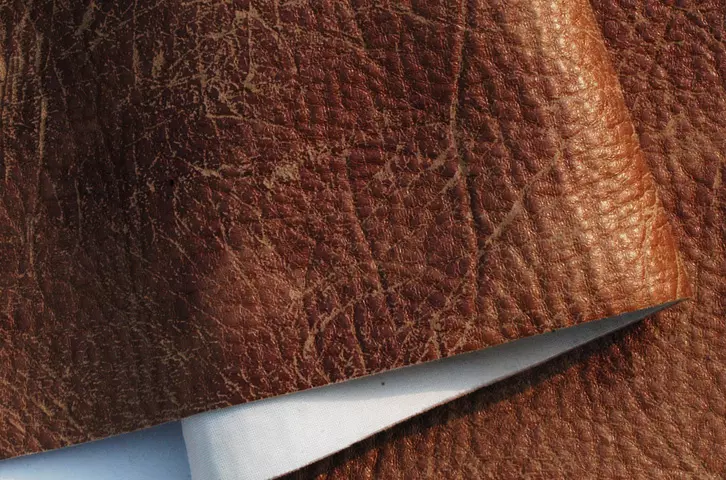
Selecting Materials for Modern Automotive Interiors
Automotive interiors are expected to combine visual appeal, comfort, durability, and practical maintenance. Seat covers, interior upholstery, and other trim components must suit the vehicle's design while meeting the requirements established by manufacturers and component suppliers. Material selection is therefore an important part of automotive product development and procurement.
PVC artificial leather is used in automotive upholstery because manufacturers can select different thicknesses, textures, colors, and backing constructions for particular applications. However, the suitability of a material depends on more than its appearance. Buyers must consider wear, cleaning practices, flexibility, fabrication methods, dimensional requirements, and applicable technical standards.
For automotive manufacturers, seat-cover producers, and component suppliers, working with a capable material manufacturer can simplify specification discussions and sourcing. PolyFabs, the brand of Premier Polyfilms Limited, offers PVC artificial leather for automotive interiors in several product ranges, including AMRI, GERMAN, ASTER, LEXUS, and NUBUK. These options give buyers a starting point for assessing available materials against their project requirements.
What Is PVC Artificial Leather?
PVC artificial leather is a coated material made using polyvinyl chloride, commonly known as PVC. In upholstery applications, the PVC surface is combined with a supporting fabric layer. The material's formulation, coating thickness, backing construction, and finishing process influence its final characteristics.
For automotive applications, these characteristics may include flexibility, surface texture, color, resistance to abrasion, and suitability for cutting, stitching, or other upholstery processes. Different interior components can require different material properties, so buyers should define the intended use before selecting a product.
The backing fabric is particularly important because it contributes to the construction and handling of the finished material. Depending on the specification, options may include polyester, nylon, cotton, woven fabrics, or knitted fabrics. The appropriate choice depends on the component design, manufacturing method, and requirements set by the buyer.
Surface finishing also affects the final appearance. Embossing can produce different grain patterns, while printing and lamination may be used where the product design calls for particular finishes. Samples should be reviewed before approval to confirm that the selected surface, color, and construction are appropriate for the intended application.
Automotive PVC Artificial Leather Specifications
A technical specification helps procurement teams compare products accurately and reduces the risk of misunderstandings between the buyer and supplier. Rather than relying on broad descriptions such as premium or heavy-duty, buyers should document the characteristics required for the finished component.
PolyFabs lists the following specifications for its automotive artificial leather range:
-
Thickness: 0.70 mm, 0.80 mm, 0.85 mm, and 1.00 mm.
-
Coating composition: 100% PVC.
-
Fabric backing: Polyester, nylon, cotton, woven, or knitted options, depending on specification.
-
Weight: 500–1000 GSM.
-
Width: 1370 mm standard, with widths up to 1500 mm also available.
These details are published for the company's automotive range. Buyers should confirm the exact specification and availability of the chosen product before ordering.
Thickness should be assessed alongside flexibility, backing, weight, and the requirements of the finished component. A thicker material is not automatically the better choice for every application. Likewise, the most suitable weight depends on the intended use and the design of the upholstery.
Width can affect production efficiency. Comparing roll width with cutting patterns and component dimensions helps buyers estimate material usage and reduce avoidable waste. For ongoing production, the agreed specification should also identify acceptable tolerances and the process for approving any changes.
Performance Characteristics to Consider
Automotive upholstery can experience repeated friction, regular contact, cleaning, and changes in environmental conditions. Buyers should therefore evaluate the characteristics that matter most for the component and vehicle application.
Abrasion resistance is relevant to seat surfaces that experience frequent entry, exit, and movement. Color fastness matters when maintaining a consistent appearance is important, while anti-stain properties may help support routine cleaning. Flexibility and surface finish should also be considered in relation to the upholstery design and fabrication process.
The PolyFabs automotive range lists features such as high abrasion resistance, color fastness, weather resistance, fire retardancy, anti-stain properties, anti-fogging, and anti-bacterial or anti-fungal treatments, depending on requirements. Heavy-metal-free and RoHS-compliant options are also listed. Buyers should confirm which features apply to the selected material and request supporting documentation where required.
Fire-related requirements need particular attention because the applicable criteria can vary by vehicle type, component location, customer specification, and relevant regulation. Buyers should identify the required test method and acceptance criteria before approving a material. A general statement about fire retardancy should not replace product-specific evidence.
How PVC Artificial Leather Is Manufactured
Understanding the manufacturing process helps buyers ask better questions about material construction and consistency. PVC artificial leather production may involve preparing a formulation, applying the coating to a release surface, drying it under controlled conditions, bonding it to a backing fabric, and finishing the surface.
The formulation can vary according to the intended application. Material designed for automotive upholstery may need a different balance of properties from material used for footwear, decorative products, or other applications. The backing fabric and finishing method also influence the final construction.
PolyFabs describes coating, calendering, printing, lamination, embossing, fabric manufacturing, and in-house testing among its manufacturing capabilities. The precise process route depends on the product being made.
For automotive OEMs, manufacturing capabilities should be considered alongside documented quality controls. Useful questions include how product specifications are recorded, which tests are performed, how approved samples are maintained, and how changes to a material or finish are communicated.
A defined quality process can help reduce discrepancies between samples and repeat orders. Recording the approved thickness, backing fabric, surface finish, color, and other relevant characteristics gives the buyer and supplier a shared reference for production and inspection.
How to Choose a PVC Artificial Leather OEM Supplier
Selecting a PVC artificial leather OEM supplier involves assessing technical suitability, production capabilities, communication, and commercial requirements. A competitive quotation is useful, but price alone does not establish whether a material is suitable for the intended application.
Start by describing the component and its operating conditions. Automotive seat upholstery may have different requirements from door trim or another interior surface. Once the application is defined, specify the required thickness, width, weight, backing construction, texture, color, and relevant performance criteria.
Next, request a representative sample and compare it with the project specification. Depending on the application, evaluation may include surface appearance, flexibility, handling, abrasion resistance, color fastness, and relevant safety tests. Request supporting documentation for any mandatory performance or compliance requirements.
It is also important to discuss order quantities, lead times, packaging, and the process for handling repeat orders. Where production depends on a customized finish or approved color, the reference sample and written specification should be retained as part of the purchasing process.
For OEM buyers, a supplier's ability to clarify technical details and communicate changes can be just as important as the breadth of its catalogue. These practices help procurement teams compare offers on a consistent basis and make more informed sourcing decisions.
PVC Leather for Automotive Interiors and Other Applications
PVC leather is used in multiple upholstery and industrial segments, but different applications call for different specifications. Automotive interiors may prioritize a particular surface finish, wear characteristics, and fabrication compatibility. Bus and railway seating may have distinct requirements associated with passenger use, cleaning, and project-specific safety criteria.
Marine upholstery may require evaluation of moisture exposure and other environmental conditions, while two-wheeler seating may call for different thickness and surface characteristics. Buyers should therefore avoid assuming that a material designed for one segment is automatically suitable for another.
PolyFabs maintains separate artificial leather ranges for automotive, buses, marine, bikes, railways, and theaters. This application-based product structure allows buyers to identify the relevant range before discussing the exact requirements.
For businesses sourcing more than one PVC material, the company also lists PVC films and printed sheeting alongside artificial leather. Buyers looking for PVC film manufacturers India should assess film-specific requirements separately, including intended use, finish, dimensions, and any relevant technical criteria.
Export Quality and International Automotive Sourcing
Businesses seeking PVC artificial leather export quality should define their requirements before requesting a quotation. Export suitability depends on the customer's specification, the intended application, and any standards or regulations relevant to the destination market.
An international purchasing specification may include thickness, weight, roll width, backing construction, color, surface finish, tolerances, packaging, labeling, and documentation. Where particular tests or certificates are required, buyers should communicate those requirements before production and verify that the supplied documents apply to the exact product.
Premier Polyfilms Limited serves automotive and transport interior requirements in India and overseas, according to its published company information. Buyers evaluating the company for an export order should confirm material availability, order quantities, technical documentation, commercial terms, and delivery arrangements directly with the company.
For repeat shipments, an approved reference sample and a written specification help both parties maintain a common understanding of the product. This is especially useful when customized colors, surface patterns, or other project-specific requirements are involved.
Why Consider PolyFabs for Automotive PVC Leather?
PolyFabs operates under Premier Polyfilms Limited, which was incorporated in 1992. Its published product categories include artificial leather for transport applications, PVC films and printed sheeting, and PVC flooring. The company also identifies coating, calendering, printing, lamination, embossing, fabric manufacturing, and in-house testing among its capabilities.
For automotive buyers, the company's listed artificial leather ranges include AMRI, GERMAN, ASTER, LEXUS, and NUBUK. The published specifications provide a starting point for discussions about thickness, backing fabric, width, and other material requirements.
As with any potential supplier, buyers should evaluate the exact product against their own technical and commercial criteria. Reviewing samples, confirming available specifications, and requesting relevant documentation help establish whether a material is suitable for the intended component.
Frequently Asked Questions
What is PVC artificial leather used for in automotive applications?
PVC artificial leather can be used for vehicle seat upholstery and selected interior applications. Suitability depends on the component design, material construction, surface finish, and required performance characteristics.
What thickness options are available in the PolyFabs automotive range?
The published range lists 0.70 mm, 0.80 mm, 0.85 mm, and 1.00 mm thickness options. Buyers should confirm availability for the specific product and order.
Which backing fabrics are available for automotive PVC leather?
PolyFabs lists polyester, nylon, cotton, woven, and knitted fabric options, depending on the required specification. The appropriate backing should be selected according to the component design and manufacturing process.
How should buyers evaluate a PVC artificial leather OEM supplier?
Buyers should compare specifications, samples, relevant test documentation, manufacturing capabilities, quality processes, lead times, and communication. Requirements should be agreed in writing before production begins.
Can one PVC artificial leather product be used for automotive and railway seating?
Not automatically. Automotive and railway projects may have different construction, performance, and safety requirements. Buyers should confirm suitability for the specific application and project specification.
Conclusion
Choosing PVC artificial leather for automotive interiors requires careful consideration of construction, thickness, backing fabric, surface finish, durability, and application-specific requirements. A documented specification, sample approval, and suitable technical evidence help procurement teams compare products and reduce sourcing uncertainty.
For automotive OEMs and component manufacturers, the right sourcing decision starts with defining the application and confirming the material's suitability before production. PolyFabs, under Premier Polyfilms Limited, offers several PVC artificial leather options for automotive use alongside other PVC product categories.
Contact: info@polyfabs.com | +91 89208 31225

 English
 Arabic
 French
 Spanish
 Portuguese
 Deutsch
 Dutch
Dutch
 Italiano
 Russian
 Romaian
 Portuguese (Brazil)
 Greek
Greek