
From Survival Mode to Healing Mode: Rebuilding Life after Trauma
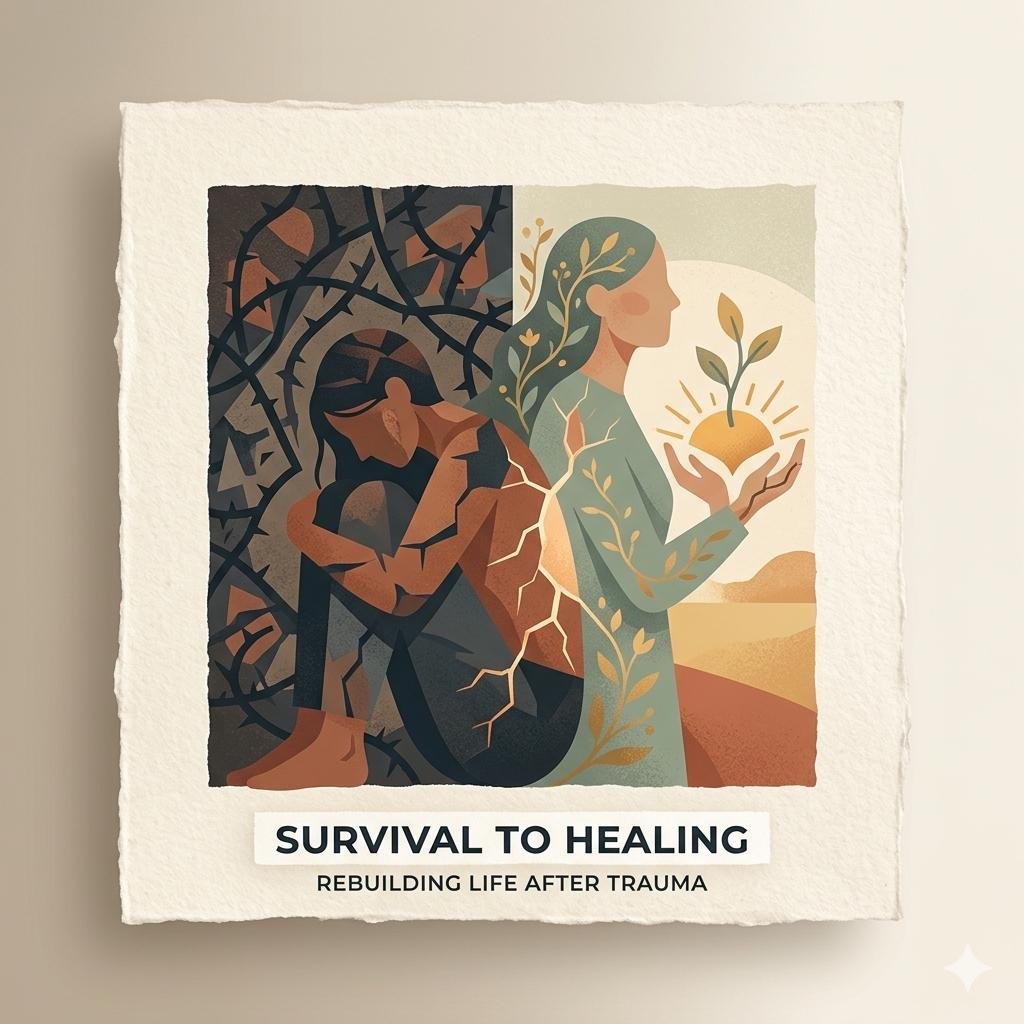
Trauma can deeply affect the way individuals think, feel, behave, and connect with the world around them. Difficult experiences such as abuse, accidents, emotional neglect, violence, sudden loss, or prolonged emotional distress may leave lasting psychological and emotional effects. Many people continue functioning outwardly while internally struggling with emotional exhaustion, fear, emotional numbness, or constant emotional alertness.
Forgetting traumatic events is not the goal of trauma recovery. Instead, it involves gradually rebuilding emotional safety, emotional awareness, and psychological resilience. Recovery is a deeply personal journey that often requires patience, self-compassion, emotional support, and professional guidance.
Understanding Emotional Survival Responses
Traumatic experiences can place the mind and body into a constant state of emotional alertness, often referred to as “survival mode.” During this state, the nervous system remains focused on protection and safety rather than emotional relaxation or emotional connection. Many individuals experience intense stress responses after traumatic experiences. The body may remain emotionally reactive even when the actual danger has passed. Individuals may feel emotionally overwhelmed, emotionally numb, or emotionally exhausted without fully understanding why. Over time, survival responses may begin affecting emotional regulation, concentration, sleep, communication, and overall well-being.
Emotional and Psychological Effects of Trauma
Trauma affects individuals differently depending on the nature of the experience, emotional support systems, and personal coping abilities. Some individuals experience intrusive memories, emotional triggers, or emotional avoidance, while others struggle with emotional withdrawal and difficulty trusting others.
Experiences involving unresolved trauma may contribute to symptoms associated with anxiety, emotional overwhelm, or constant emotional worry. In some situations, emotional distress may also contribute to symptoms related to depression, including emotional numbness, hopelessness, and reduced emotional energy.
Trauma-related emotional difficulties may sometimes resemble generalized anxiety disorder (GAD) when individuals remain constantly worried, emotionally tense, or hyper-alert for extended periods.
Living with Trauma-Related Emotional Reactions
One of the most commonly recognised trauma-related conditions is post-traumatic stress disorder (PTSD). Individuals experiencing PTSD may struggle with emotional flashbacks, fear responses, nightmares, emotional triggers, or avoidance of reminders connected to traumatic experiences. Some individuals exposed to prolonged emotional trauma, repeated abuse, or ongoing emotional neglect may also experience complex ptsd, which often affects emotional regulation, identity, emotional trust, and interpersonal relationships more deeply. Even when there isn't an immediate threat, these experiences can make ordinary circumstances feel emotionally draining or dangerous.
Emotional Exhaustion and Reduced Motivation
Trauma can significantly affect emotional energy and daily functioning. Many individuals experience emotional fatigue, difficulty concentrating, or low motivation after prolonged emotional distress. Once-manageable tasks can suddenly become emotionally taxing. Individuals may struggle to maintain routines, complete responsibilities, or engage in activities they once enjoyed. Unresolved trauma may also contribute to emotional frustration, irritability, or intense anger, especially when emotional needs remain unexpressed or misunderstood.
The Impact on Relationships and Emotional Connection
Trauma often affects emotional closeness and communication patterns. Many individuals struggle to feel emotionally safe or emotionally vulnerable after traumatic experiences. Difficulties with trust, emotional openness, or emotional dependency may influence intimacy within personal relationships. Some individuals become emotionally withdrawn, while others may become emotionally reactive during conflict or emotionally stressful situations. Trauma-related emotional difficulties may also contribute to recurring interpersonal problem patterns, including communication breakdowns, emotional misunderstandings, or difficulty maintaining healthy relationships.
Rebuilding Emotional Safety and Confidence
Healing begins when individuals gradually regain a sense of emotional safety and emotional control. Recovery often involves understanding emotional triggers, identifying unhealthy coping patterns, and rebuilding emotional confidence over time. Developing healthier emotion control skills can help individuals respond to emotional triggers more calmly and constructively. Emotional awareness allows individuals to recognise emotional reactions without feeling controlled by them.
Trauma recovery also involves rebuilding self-esteem, especially for individuals whose confidence or emotional identity was affected by emotionally painful experiences.
The Importance of Healthy Boundaries
Establishing a healthy boundary is an important part of trauma recovery. Boundaries help individuals protect their emotional well-being while creating emotional safety within relationships and social interactions.
Many trauma survivors struggle with emotional people-pleasing, fear of rejection, or difficulty expressing personal needs. Learning assertiveness helps individuals communicate emotional limits respectfully while strengthening emotional confidence and emotional independence. Healthy boundaries support emotional healing by reducing emotional overwhelm and creating greater emotional stability.
Mindfulness and Emotional Healing
Practising mindfulness can support trauma recovery by helping individuals reconnect with the present moment safely and gradually. Trauma often keeps the nervous system emotionally focused on past experiences or future fears.
Mindfulness-based practices such as breathing exercises, grounding techniques, guided relaxation, and emotional awareness exercises can improve emotional regulation and reduce emotional reactivity. Mindfulness may also help individuals experiencing social anxiety, emotional discomfort, or fear of social judgment following traumatic experiences.
Coping with Emotional Loss and Grief
Trauma frequently involves emotional experiences connected to grief and loss. Individuals may grieve lost safety, lost trust, lost relationships, lost opportunities, or changes in identity caused by traumatic experiences.
Acknowledging emotional pain instead of suppressing it is an important part of recovery. Emotional healing becomes possible when individuals allow themselves to process emotions gradually and safely. Recovery is not linear, and emotional setbacks may occur. However, emotional progress often becomes more manageable when individuals receive emotional support and compassionate guidance.
Building Recovery Through Small Steps
Trauma healing happens gradually through consistent emotional effort and supportive coping strategies. Rebuilding emotional stability gradually is the process of recovery; perfection is not necessary.
Practising realistic goal-setting strategies can help individuals regain structure, purpose, and emotional confidence. Small goals such as improving routines, engaging socially, or practising self-care may create meaningful emotional progress over time. Celebrating small achievements helps strengthen emotional resilience and encourages continued healing.
The Role of Professional Support
Trauma recovery often becomes easier when individuals receive professional psychological support. Therapy provides a safe and structured environment where individuals can process emotions, understand trauma responses, and develop healthier coping strategies.
Many individuals benefit from Online Counselling because it allows them to access emotional support comfortably and privately from their own environment. Working with an experienced Online Counsellor can help individuals explore emotional difficulties while developing emotional resilience and healthier coping skills.
Services such as Online Therapy and Online Counselling India have made mental health support more accessible for individuals seeking flexible and confidential care. Individuals looking for support from a Top Psychologist in India can now access professional guidance through secure online platforms that focus on trauma recovery, emotional healing, and emotional well-being.
Professional therapy helps individuals understand trauma responses while improving emotional regulation, emotional confidence, and long-term psychological resilience.
Moving from Survival Toward Healing
Healing from trauma is not about becoming the same person again; it is about creating a safer, healthier, and more emotionally balanced version of oneself. Recovery involves learning that emotional safety, emotional connection, and emotional peace are possible even after painful experiences.
With emotional support, mindfulness practices, healthy coping strategies, and professional guidance, individuals can gradually move beyond survival mode and begin rebuilding meaningful and emotionally fulfilling lives.
Conclusion
Trauma can deeply affect emotional well-being, relationships, confidence, and overall mental health. However, healing is possible through emotional awareness, healthy boundaries, mindfulness practices, and professional psychological support. Recovery takes time, patience, and consistent emotional care, but individuals can gradually rebuild emotional strength and resilience.
Professional support can make this journey more manageable. Platforms like TalktoAngel provide accessible online counselling services. It help individuals strengthen emotional resilience, improve coping abilities, and rebuild confidence after trauma.
Individuals interested in learning more about self-improvement, emotional well-being, and mindfulness can also explore educational mental health content and informative videos through the TalktoAngel YouTube Channel.
Trauma recovery involves more than surviving painful experiences; it requires learning healthy ways to process emotions and rebuild a sense of safety. Developing skills for managing emotional responses effectively and understanding ways to heal from early-life emotional wounds can help individuals move from survival mode toward lasting healing, resilience, and personal growth.

 English
 Arabic
 French
 Spanish
 Deutsch
 Turkish
 Dutch
Dutch
 Italiano
 Russian
 Romaian
 Portuguese (Brazil)
 Greek
Greek