
Essential Aftercare Tips for Butt Fat transfer surgery in dubai
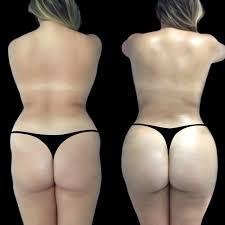
1. Follow Medical Instructions After Best butt fat transfer surgeons in dubai
Following medical instructions is the first step toward safe recovery after Best butt fat transfer surgeons in dubai. Your healthcare team will provide guidance based on the procedure and your individual needs.
These instructions may cover wound care, prescribed medicines, compression garments, sleeping positions, sitting restrictions, and activity levels. It is important to understand each instruction before leaving the surgical facility.
Do not change your medication schedule or begin new supplements without medical advice. If an instruction is unclear, contact your healthcare team instead of guessing.
Attend all recommended follow-up appointments. These visits allow the medical team to check your healing, review any symptoms, and advise when you can gradually return to normal activities.
Remember that recovery advice may differ between patients. Following a personalised plan is safer than copying another person's experience or trying to speed up healing.
2. Protect the Buttocks During Early Butt Fat transfer Surgery in dubai
The early stage of butt fat transfer recovery is especially important because the treated areas may be swollen, tender, and sensitive. The body needs time to heal from both fat removal and fat injection.
One key instruction may involve limiting Butt Fat transfer Surgery in dubai pressure on the buttocks. Pressure can affect the healing tissues and may influence the survival of transferred fat. Your surgical team should explain how long to avoid sitting directly on the treated area and which positions are appropriate.
You may be advised to lie on your stomach or side when resting, depending on your procedure and medical needs. If you must sit, ask whether a particular cushion or sitting method is appropriate. Do not assume that any cushion will protect the transferred fat.
Avoid long periods in one position, especially if they cause discomfort or conflict with your medical instructions. Move carefully and ask for help when changing positions during the first few days.
3. Keep Incision Sites Clean and Dry During Healing
Small incisions may be used to remove and transfer fat. Keeping these areas clean according to the medical team's instructions can help reduce the risk of infection.
Follow the recommended schedule for changing dressings and bathing. Do not remove dressings, apply creams, or use antiseptic products unless you have been told to do so. Some products can irritate healing skin or interfere with wound care.
Avoid swimming pools, hot tubs, and soaking in baths until your healthcare team confirms that it is safe. These activities may expose healing incisions to bacteria or cause irritation.
Check the incision sites for changes such as increasing redness, warmth, swelling, worsening pain, or unusual discharge. Contact your healthcare professional if you notice concerning symptoms.
A little swelling or bruising can be expected after surgery, but symptoms that become worse rather than gradually improve should not be ignored.
4. Eat Balanced Meals to Support Butt Fat Transfer Results
Healthy eating supports general recovery after surgery. People hoping for good butt fat transfer results should focus on balanced nutrition rather than strict diets or special foods that promise to improve fat survival.
Include protein-rich foods such as eggs, fish, beans, lentils, yoghurt, or other suitable sources. Protein helps the body repair tissues. Fruits, vegetables, whole grains, and healthy fats can also provide important nutrients.
Drink enough fluids unless your healthcare team has advised you to limit them. Staying hydrated supports normal body functions and may help reduce problems associated with dehydration.
Avoid crash dieting, skipping meals, or trying to lose weight rapidly during recovery. Significant weight changes can affect body shape and may influence the appearance of transferred fat over time.
There is no particular food that guarantees fat survival. A balanced diet, stable weight, and adherence to postoperative instructions are more sensible ways to support recovery.
5. Avoid Smoking and Nicotine During Recovery
Smoking and nicotine can interfere with blood flow and tissue healing. This may increase the risk of wound problems and other complications after surgery.
Patients should follow medical advice about avoiding cigarettes, vaping products, and other nicotine sources before and after the procedure. Ask your healthcare team how long you should avoid them.
Do not assume that occasional smoking is harmless during recovery. Healing tissues need a good blood supply, and nicotine may affect that process.
If you need help stopping smoking, ask a healthcare professional about suitable support. Do not start nicotine replacement products without discussing them with your medical team, especially during the postoperative period.
Avoiding smoking is one practical step that may support wound healing and overall recovery.
6. Understand Fat Transfer from Stomach to Buttocks and Its Recovery Needs
Many patients choose fat transfer from stomach to buttocks because they want to reduce fullness in the abdominal area while adding volume to the buttocks. Since the procedure involves more than one treatment area, aftercare needs to address both locations.
The abdomen may feel sore, swollen, or bruised after fat removal. The buttocks may also be swollen and tender after fat injection. These effects usually change gradually as the body heals.
Wear any recommended compression garment according to the instructions provided. Such garments may help manage swelling in donor areas, but the type, fit, and duration of use depend on the procedure. Avoid garments that create unwanted pressure on the buttocks or cause pain, numbness, or breathing difficulty.
Do not massage treated areas unless specifically instructed. Unapproved massage may affect healing tissues or cause discomfort.
Ask your healthcare team how to care for each treated area and which symptoms require medical attention.
7. Choose Safe Activity Levels After Fat Transfer from Stomach to Butt
After fat transfer from stomach to butt, rest is important, but complete inactivity for long periods may also create problems. Your healthcare team should explain when and how to begin gentle movement.
Short, careful walks may be encouraged early in recovery, depending on your condition. Gentle movement can help circulation and may reduce the risk of blood clots. However, you should avoid strenuous exercise, heavy lifting, running, and intense lower-body workouts until you receive medical clearance.
Do not return to the gym simply because your pain has improved. Internal healing continues even when you feel better on the outside.
Increase your activity gradually and stop if you develop unusual pain, dizziness, or other concerning symptoms. Ask when it is safe to resume work, driving, and normal household tasks.
A gradual return to activity helps you balance rest with safe movement.
8. Plan Your Care with a Fat Transfer Clinic in Dubai
When researching a fat transfer clinic in dubai, patients should consider the quality of postoperative support as well as the procedure itself. Aftercare should include clear written instructions, follow-up arrangements, and guidance about whom to contact if problems arise.
Before surgery, ask what support will be available during recovery. Find out how follow-up visits are arranged and how urgent concerns are handled outside normal appointment times.
Patients should also understand their responsibilities, including caring for incision sites, taking medicines as directed, and following sitting and activity restrictions.
Do not assume that recovery ends when you leave the surgical facility. Some complications can appear later, so access to appropriate follow-up care matters.
Clear communication helps patients feel better prepared and makes it easier to seek advice when something does not seem right.
9. Understand Butt Fat Transfer Surgery Cost in Dubai and Aftercare Expenses
The Butt Fat transfer Surgery cost in dubai may depend on the treatment plan, areas involved, anaesthesia, surgical facility, and follow-up arrangements. Patients should also consider possible expenses related to recovery.
When discussing the butt fat transfer cost, ask whether postoperative appointments, prescribed medicines, compression garments, and routine wound care are included. Clarify what happens if an additional assessment is needed.
Avoid assuming that the initial quoted price covers every possible expense. Understanding the full financial plan can help you prepare for time away from work and any practical support you may need at home.
Cost should not be the only factor in choosing surgery. A suitable treatment plan, clear safety information, and appropriate follow-up care are important considerations.
Planning ahead can reduce unnecessary stress during recovery and help you focus on following medical instructions.
10. Know What to Expect from Butt Fat Transfer Results
Understanding butt fat transfer results can help patients remain patient during recovery. The buttocks may look fuller immediately after surgery because of swelling and the volume of transferred fat. The early appearance is not necessarily the final outcome.
The body naturally absorbs some of the transferred fat. The amount that survives varies between individuals, so the final shape cannot be predicted with complete certainty.
Bruising and swelling usually improve gradually, but the time required differs from person to person. Your healthcare team can explain when the appearance may become more stable and when results can be assessed more accurately.
Avoid comparing your recovery with photographs or timelines from other patients. Differences in anatomy, treatment, and healing can lead to different outcomes.
Do not seek additional treatment too soon simply because the initial shape changes as swelling settles. Discuss your concerns at follow-up appointments and allow sufficient time for healing.
11. Recognise Warning Signs During Butt Fat Transfer Recovery
Although some discomfort, swelling, and bruising are common after surgery, certain symptoms need prompt medical attention.
Contact your healthcare professional if you experience increasing pain, spreading redness, fever, worsening swelling, unusual drainage, or a wound that appears to be opening. These symptoms may indicate a complication that needs assessment.
Seek emergency medical help if you develop sudden shortness of breath, chest pain, fainting, confusion, or severe sudden symptoms. These can be signs of a serious complication, including a blood clot or fat embolism.
Do not wait for a scheduled follow-up appointment when symptoms are severe. Avoid attempting to treat possible complications with home remedies or unapproved medicines.
Knowing warning signs before surgery helps patients act quickly if a problem develops.
12. Learn About Butt Fat Transplant Safety and Follow-Up Care
The term butt fat transplant is often used for fat grafting to the buttocks. Although the procedure uses a person's own fat, it is still a significant operation and carries risks.
Possible complications include infection, bleeding, uneven contours, fluid collections, blood clots, and fat embolism. Safe surgical technique and appropriate aftercare are important, but no approach can remove every risk.
Patients should follow instructions about wound care, pressure on the buttocks, activity, and follow-up appointments. They should also ask what precautions were used during surgery to reduce serious complications. Current safety guidance emphasises keeping injected fat in the subcutaneous tissue above the gluteal muscle and using appropriate real-time ultrasound guidance where recommended by applicable standards.
Do not ignore follow-up appointments simply because you feel well. Some concerns may require a professional examination to identify.
Good aftercare combines careful self-monitoring with timely medical support.
13. Make Informed Decisions When Researching Butt Fat Transfer in Dubai
People researching butt fat transfer in dubai may come across phrases such as Best butt fat transfer surgeons in dubai, Best butt fat transfer surgeon in Dubai, and Best butt fat transfer surgeons in Dubai. These search terms may help people explore available information, but they do not replace careful review of qualifications, safety standards, and aftercare arrangements.
Patients may also encounter phrases such as Best Doctors in dubai, Dr. perfect celebrity, and Perfect Doctors Clinic in online searches or promotional material. A name or advertisement alone cannot establish whether a particular treatment is suitable for an individual.
Before making a decision, ask about postoperative support, expected recovery restrictions, possible complications, and realistic outcomes. Make sure you understand the procedure and feel comfortable asking questions.
The most important goal is to receive appropriate care based on your own health and needs.
Conclusion: Follow Essential Aftercare Tips for a Safer Recovery
Aftercare is an important part of the healing process following buttock fat transfer. Following personalised instructions, protecting the treated areas from unwanted pressure, eating balanced meals, avoiding smoking, and returning to activities gradually can support recovery.
Patients should also attend follow-up appointments, monitor incision sites, and seek medical advice if symptoms worsen. Emergency warning signs such as chest pain or sudden shortness of breath require immediate medical attention.
Whether you are researching Butt Fat transfer Surgery in dubai, comparing treatment costs, or learning about expected butt fat transfer recovery, remember that each person's experience is different. Careful preparation, realistic expectations, and consistent communication with your healthcare team can help you navigate recovery more confidently.

 English
 Arabic
 Spanish
 Portuguese
 Deutsch
 Turkish
 Dutch
 Italiano
 Russian
 Romaian
 Portuguese (Brazil)
 Greek