
Arabic Perfume: A Rich Blend of Tradition, Luxury and Lasting Fragrance
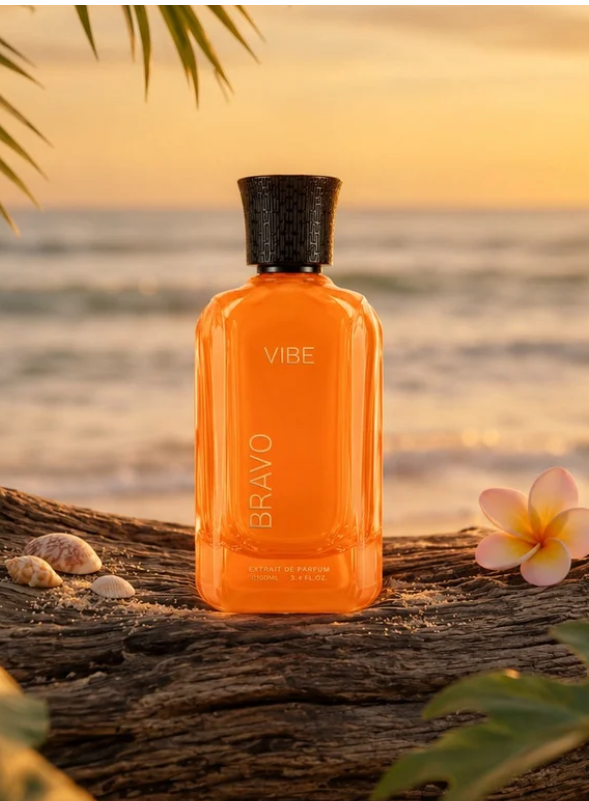
Fragrance has always been closely connected with personal style, culture, and tradition. Among the many fragrance styles available today, Arabic perfume stands out for its rich compositions, distinctive ingredients, and strong connection to Middle Eastern perfumery. From deep oud and warm amber to elegant rose, musk, spices, and woody notes, these fragrances offer a wide range of scent experiences.
While traditional Arabian fragrances are often known for their intense character, modern creations can also be fresh, floral, sweet, fruity, or soft. This variety makes Arabic-inspired fragrances appealing to people with very different perfume preferences.
What Is Arabic Perfume?
Arabic perfume generally refers to fragrances influenced by Arabian and Middle Eastern perfumery traditions. They can appear as concentrated perfume oils, attars, sprays, or modern perfume compositions.
Arabian perfumery is particularly associated with ingredients such as oud, musk, amber, rose, incense, sandalwood, and spices. Oud itself comes from resinous agarwood and has a long-standing place in fragrance traditions in the Gulf.
Modern Arabic fragrances may combine these traditional elements with vanilla, fruits, citrus notes, florals, leather, and contemporary woody accords.
The Importance of Oud in Arabic Perfume
Oud is one of the most recognizable ingredients associated with Arabic perfume. It has a deep, distinctive character and can smell woody, earthy, smoky, warm, or slightly sweet depending on the material and fragrance composition.
Oud oil is traditionally derived from resinous agarwood. It can be worn in oil form or incorporated into more complex fragrance compositions.
Oud is often paired with rose, amber, musk, saffron, sandalwood, or other woody notes. The result can range from dark and powerful to smooth and elegant.
For people who enjoy fragrances with depth and personality, oud-based scents can be particularly interesting.
Popular Notes Used in Arabic Perfume
Part of the attraction of Arabic perfume comes from its diverse ingredients. Each fragrance can create a completely different experience depending on the notes and their concentration.
Oud provides a deep woody character and is one of the most prominent ingredients associated with Arabian perfumery.
Rose can add a rich floral quality. When paired with oud or musk, it can create a balance between floral softness and woody depth.
Musk is commonly used to provide a smooth and warm foundation.
Amber contributes warmth and richness to many fragrance compositions.
Sandalwood can provide a creamy, soft woody character.
Spices and incense may add warmth, smokiness, or complexity.
Traditional Middle Eastern fragrance profiles can include combinations of oud, amber, musk, frankincense, rose, sandalwood, and other aromatic materials.
Arabic Perfume for Men
Men's Arabic-inspired fragrances can range from fresh woody scents to powerful oud compositions.
For everyday wear, combinations containing citrus, woods, musk, and aromatic notes can offer a clean yet distinctive profile. Someone looking for a stronger evening fragrance might prefer oud, leather, amber, incense, saffron, or spices.
The right fragrance depends on personal preference rather than simply selecting the strongest option. Some men prefer dark woody perfumes, while others enjoy fresh fragrances with subtle Arabian influences.
Testing the scent on your skin can help you understand how it develops before making a decision.
Arabic Perfume for Women
Women's Arabic perfume options are equally diverse. Rose, jasmine, vanilla, amber, musk, fruits, woods, and oud can be combined to produce anything from a soft floral fragrance to a rich evening scent.
For daytime wear, floral, fruity, musky, or lightly woody fragrances can work well. For evenings and celebrations, deeper combinations of oud, rose, amber, vanilla, spices, or musk may create a more noticeable fragrance experience.
Many Arabian-style fragrances are also unisex. Notes such as oud, musk, amber, rose, and sandalwood do not have to belong exclusively to men's or women's fragrances.
Arabic Perfume Oils and Sprays
One interesting feature of Arabian fragrance culture is the availability of different perfume formats.
Concentrated perfume oils and attars are usually applied directly to pulse points rather than sprayed widely. Modern sprays, on the other hand, provide the familiar application experience of conventional perfumes.
Oil-based options may appeal to people who enjoy applying fragrance close to the skin, while sprays can provide broader distribution.
Both styles can contain traditional Arabian notes, so the better choice depends on how you prefer to wear your fragrance.
How to Choose the Right Arabic Perfume
Start by identifying the fragrance families you already enjoy.
If you prefer rich woody scents, consider fragrances featuring oud, sandalwood, cedar, or similar notes. If you enjoy sweetness, look for combinations containing vanilla, amber, fruits, or sweet florals.
For floral fragrance lovers, rose and jasmine can provide an elegant starting point. Those who prefer warmer compositions may enjoy musk, spices, amber, incense, or leather.
Avoid judging an Arabic perfume immediately after spraying it. Give the fragrance some time to settle and develop on your skin. This allows you to experience more than just the opening notes.
Fragrance Layering in Arabian Perfumery
Layering is another interesting aspect of Middle Eastern fragrance culture. Different scents can be combined to create a more personalized fragrance profile. Modern Arabian perfumery also embraces layering as a way of creating individual scent combinations.
For example, a floral fragrance may be paired with musk, while oud can be combined with rose or a softer woody scent.
When experimenting with layering, start with small amounts. Combining several strong fragrances at once can easily become overwhelming.
Why Arabic Perfume Continues to Attract Fragrance Lovers
The appeal of Arabic perfume comes from its combination of heritage, variety, and distinctive fragrance profiles. Arabian perfumery can move between traditional oud-based scents and modern compositions featuring floral, fruity, sweet, fresh, and woody notes.
This means there is no single scent that defines the entire category. Instead, perfume lovers can explore different concentrations, ingredients, and fragrance families until they find something suited to their personality and occasion.
Final Thoughts
Arabic perfume offers a distinctive fragrance experience built around both traditional and modern influences. Oud, rose, amber, musk, sandalwood, incense, spices, and contemporary notes can come together in countless combinations.
Whether you prefer something deep and woody, warm and spicy, floral and elegant, or sweet and modern, Arabian-inspired perfumery provides plenty of variety. Understanding the notes, testing the fragrance on your skin, and considering when you plan to wear it can help you find a scent that fits naturally into your fragrance collection.

 English
 Arabic
 French
 Spanish
 Portuguese
 Deutsch
 Turkish
 Dutch
 Russian
 Romaian
 Portuguese (Brazil)
 Greek