
Electric Toothbrush Market Growth Through Smart Dental Technology
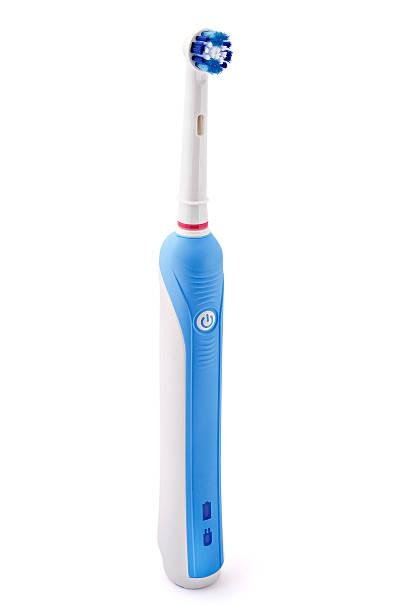
Electric Toothbrush Market is experiencing changing consumer expectations as smart technology becomes increasingly integrated into personal healthcare and everyday hygiene products. Modern consumers are interested in devices that provide convenience, personalized experiences, and useful information about their daily routines. Electric toothbrush manufacturers are responding with connected products featuring Bluetooth connectivity, mobile applications, brushing sensors, and personalized cleaning recommendations. These developments are transforming the traditional toothbrush into a technology-enabled personal care device. The growing connection between consumer electronics and oral hygiene is creating opportunities for established dental brands and technology-focused manufacturers.
The development of smart connected toothbrush technology is changing how consumers interact with daily dental care products. Connected toothbrushes can provide information about brushing duration, pressure, and coverage through compatible digital applications. These features help users understand their brushing habits and identify areas where they may need improvement. Some advanced products also offer personalized reminders and progress tracking. Manufacturers are exploring ways to make these digital experiences easier to understand and more accessible to different age groups. This combination of hardware innovation and software functionality is creating new opportunities for connected oral care products.
Artificial intelligence and sensor-based technology are becoming relevant areas of product development. Advanced toothbrush systems can use sensors to detect brushing movements and provide feedback about pressure or missed areas. Certain connected products use software-based analysis to help consumers understand their brushing patterns. These capabilities can make personal oral care routines more interactive and informative. Manufacturers are also exploring improvements in motion detection, processing systems, and application interfaces. As consumers become familiar with smartwatches, fitness trackers, and connected home devices, similar digital experiences may encourage interest in intelligent personal hygiene products.
Mobile applications are becoming an important part of the connected toothbrush experience. These applications may include brushing timers, activity records, personalized reminders, and progress reports. For families, selected applications offer engaging features that encourage children to develop regular brushing habits. Adults can use digital feedback to monitor consistency and understand their daily routines. However, the usefulness of these applications depends on simple navigation, reliable connectivity, and meaningful information. Manufacturers that develop accessible software alongside dependable hardware may create stronger customer relationships and improve the overall user experience.
Battery technology and device engineering are also influencing product innovation. Consumers expect rechargeable toothbrushes to offer convenient charging, dependable performance, and suitable operating time between charges. Manufacturers are exploring compact charging systems, improved battery management, and durable motor designs. Travel-friendly models are another area of interest, particularly among customers who want to maintain their oral hygiene routines while away from home. Waterproof construction and ergonomic handles can further improve usability. These practical improvements are important because smart features must be supported by reliable product performance to maintain customer satisfaction.
The retail environment is changing as connected toothbrushes require more detailed product education. Consumers may need to understand the differences between basic electric models, sonic toothbrushes, and smart connected devices before making purchasing decisions. Online product demonstrations, comparison guides, and instructional videos can help explain the advantages of different technologies. Dental professionals and specialty retailers can also introduce customers to advanced brushing products. Manufacturers that communicate technical features clearly without making exaggerated performance claims can improve customer understanding and build stronger brand credibility.
Competition in smart oral care is encouraging manufacturers to focus on product differentiation and customer engagement. Established personal care companies benefit from brand recognition and established distribution networks, while emerging technology companies may introduce specialized digital features and innovative product designs. Collaboration with software developers and digital healthcare businesses can support the development of connected product ecosystems. Companies are also considering replacement brush head availability, device compatibility, and customer support when developing long-term product strategies. These factors can influence customer loyalty beyond the initial toothbrush purchase.
Going forward, smart technology is expected to remain an important innovation area within the Electric Toothbrush Market. Developments in sensors, connectivity, artificial intelligence, and mobile applications may create more personalized oral care experiences. Manufacturers will need to balance advanced features with ease of use, affordability, data protection, and reliable device performance. Products that deliver meaningful feedback without creating unnecessary complexity may appeal to a wider audience. As connected consumer devices become increasingly common, smart toothbrush technology can play a growing role in the evolution of modern oral hygiene products.
Frequently Asked Questions
What is a smart electric toothbrush?
A smart electric toothbrush is a powered toothbrush that may include sensors, Bluetooth connectivity, and mobile application support to provide information about brushing habits and usage.
How do connected toothbrushes help users?
Connected toothbrushes can provide brushing reminders, pressure feedback, and activity tracking. These features help users understand their daily routines and improve brushing consistency.
Will smart technology influence future toothbrush development?
Yes, improvements in sensors, software, and connectivity are creating opportunities for more personalized oral care devices.

 English
 Arabic
 French
 Spanish
 Portuguese
 Deutsch
 Turkish
 Dutch
 Russian
 Romaian
 Portuguese (Brazil)
 Greek