
Spearfishing Classes: Are They Worth It for Beginners?
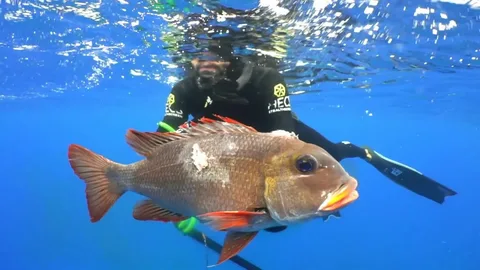
Spearfishing is an exciting water activity that combines swimming, hunting, and underwater exploration. Unlike traditional fishing, it requires participants to enter the water and use specialized equipment to catch fish. While the sport may look simple in videos, it involves important skills, safety knowledge, and an understanding of marine life. For beginners, learning these skills without proper guidance can be challenging.
This is where spearfishing classes can make a difference. These classes introduce new participants to essential techniques, equipment, water safety, and responsible fishing practices. Instead of learning through trial and error, beginners can receive guidance from experienced instructors and develop their skills in a controlled learning environment.
But are spearfishing classes really worth the time and money? The answer depends on a person's experience, confidence in the water, and long-term interest in the sport. For most beginners, professional instruction offers a safer and more structured way to get started.
Explains what beginners can expect from spearfishing classes, their main benefits, common costs, and how to choose the right course. It also explores how other water-based activities, such as surf lessons for kids and advanced surf classes, can help people build confidence and enjoy the ocean.
1. What Are Spearfishing Classes?
Spearfishing classes are training programs designed to teach people how to catch fish underwater using specialized equipment. They usually combine classroom instruction with practical water-based training.
For beginners, these courses provide a clear introduction to a sport that requires more preparation than simply swimming underwater with a spear.
What Beginners Learn in a Spearfishing Class
The exact course content depends on the instructor, location, and experience level of the participants. However, most beginner programs focus on several important areas:
-
Equipment knowledge: Understanding spearguns, polespears, masks, snorkels, fins, wetsuits, and other essential gear.
-
Water safety: Learning how to recognize risks, follow safe diving practices, and avoid dangerous situations.
-
Breath-hold awareness: Understanding the basics of breath-hold diving and why proper training matters.
-
Fish identification: Recognizing common fish species and understanding local fishing regulations.
-
Hunting techniques: Learning basic underwater movement, positioning, and responsible target selection.
-
Environmental awareness: Understanding marine ecosystems and how to avoid unnecessary harm to underwater habitats.
Some programs also include supervised practice sessions where students can become familiar with their equipment and basic underwater movements.
Who Should Consider Taking a Class?
Spearfishing classes are useful for people with different levels of water experience.
They are particularly helpful for:
-
Beginners who have never tried spearfishing.
-
Recreational swimmers interested in underwater activities.
-
Snorkelers who want to explore a new ocean sport.
-
People who want to understand spearfishing safety before entering the water.
-
Individuals interested in sustainable and responsible fishing.
However, being a strong swimmer does not automatically make someone a safe freediver or spearfisher. Each activity requires specific skills, and proper training is important.
2. Why Are Spearfishing Classes Important for Beginners?
Starting a new water sport without guidance can lead to mistakes. Spearfishing involves underwater conditions that may change quickly, including currents, visibility, weather, and marine activity.
Professional instruction helps beginners understand these challenges before attempting the sport independently.
Learning Safety Before Technique
Safety is one of the most important reasons to take spearfishing classes.
One major risk is shallow-water blackout, which can happen when a person loses consciousness during or shortly after a breath-hold dive. It can occur without much warning, making it especially dangerous.
A beginner course should explain the importance of:
-
Never diving alone.
-
Having a properly trained and attentive dive partner.
-
Avoiding hyperventilation before diving.
-
Staying within personal limits.
-
Allowing enough recovery time between dives.
-
Understanding how currents and changing conditions affect underwater safety.
These lessons help beginners develop habits that reduce avoidable risks.
It is important to understand that completing a beginner course does not make someone immune to diving accidents. Safe practices must continue throughout every dive.
Avoiding Common Beginner Mistakes
New spearfishers often make mistakes because they do not fully understand the equipment or underwater environment.
For example, a beginner might choose fins that are uncomfortable, use poorly fitted equipment, or attempt to dive deeper than their experience allows.
An instructor can help identify these problems early and explain better approaches.
This saves time, reduces frustration, and helps students build confidence gradually.
Developing Realistic Expectations
Spearfishing is not simply about finding fish and catching them. It requires patience, observation, physical awareness, and respect for the ocean.
Classes help beginners understand that successful spearfishing takes practice. They also explain why safety and responsible fishing should always come before catching a fish.
3. What Skills Can Beginners Develop Through Spearfishing Classes?
A good beginner course focuses on building a foundation rather than teaching advanced hunting techniques immediately.
Students should develop basic water confidence and understand how to use their equipment correctly before progressing.
Swimming and Underwater Movement
Good swimming ability is an important starting point.
Beginners learn how to move comfortably in the water, use fins efficiently, and maintain awareness of their surroundings.
Underwater movement should be controlled rather than rushed. Excessive movement can waste energy and make it harder to observe marine life.
A beginner course may include supervised snorkeling practice to help students become familiar with underwater conditions.
Equipment Handling
Spearfishing equipment must be selected and handled carefully.
Common equipment includes:
-
Mask: Provides clear underwater vision.
-
Snorkel: Allows surface breathing while swimming face-down.
-
Fins: Help improve swimming efficiency.
-
Wetsuit: Provides warmth and some protection.
-
Weight belt: Helps manage buoyancy when appropriate and under proper instruction.
-
Speargun or polespear: Used to catch fish.
-
Dive float and flag: Help identify the diver's location to other water users.
Students should learn how each item works, how to maintain it, and when it is appropriate to use it.
Spearguns require particular care. They should never be loaded or pointed toward people, and beginners should follow all equipment safety instructions.
Understanding Fish and Marine Habitats
Successful and responsible spearfishing requires knowledge of the underwater environment.
Beginners should learn how to identify permitted fish species and understand local size limits, seasonal restrictions, protected areas, and catch limits.
They should also recognize the importance of avoiding protected marine animals and fragile habitats.
This knowledge helps new participants make responsible decisions instead of treating every underwater encounter as a potential catch.
4. How Much Do Spearfishing Classes Cost?
The cost of spearfishing classes varies depending on the instructor, course length, location, and amount of practical training included.
Some programs offer short introductory sessions, while others provide more detailed training over multiple days.
Factors That Affect Course Prices
Several factors can influence the total cost of a beginner course.
1. Course duration
A short introductory class may cost less than a multi-session program that includes more practical instruction.
2. Instructor experience
Training from qualified instructors with relevant diving and safety experience may come at a higher price.
3. Equipment availability
Some courses include equipment for training, while others require participants to bring their own gear.
4. Training location
Courses conducted at popular coastal destinations or specialized diving facilities may have different pricing structures.
5. Group size
Private instruction and small-group sessions may cost more than larger classes because instructors can provide more individual attention.
Is Professional Training Worth the Investment?
For beginners, the value of a course should not be measured only by its price.
Proper instruction can help students understand equipment, recognize risks, and avoid developing unsafe habits. These benefits can be more valuable than purchasing expensive gear without knowing how to use it.
Before enrolling, beginners should ask what the course includes.
They should check whether the instructor provides practical training, explains emergency procedures, covers local fishing regulations, and follows recognized safety standards.
A low-cost course may not offer the same level of instruction as a more comprehensive program. Choosing training based on quality and safety is usually a better decision than choosing the cheapest option.
5. How to Choose the Right Spearfishing Class
Not every spearfishing course is suitable for beginners. Some programs focus on experienced divers, while others are designed to introduce people to the sport.
Choosing the right class helps ensure that students receive instruction suited to their abilities.
Check the Instructor's Qualifications
The instructor's experience should be one of the first things beginners investigate.
They should look for someone with relevant freediving or spearfishing training, appropriate safety knowledge, and experience teaching new participants.
It is also useful to ask about emergency procedures and how the instructor manages student safety during practical sessions.
A good instructor should explain the risks clearly rather than making the sport seem easier or safer than it really is.
Understand the Course Structure
Before signing up, beginners should review the course outline.
A suitable introductory program should cover:
-
Basic spearfishing principles.
-
Equipment selection and handling.
-
Water and diving safety.
-
Marine life identification.
-
Local fishing rules.
-
Supervised practical learning, where appropriate.
Beginners should avoid courses that encourage deep diving or breath-hold challenges without proper preparation and supervision.
Consider the Learning Environment
The training location also matters.
Conditions such as water temperature, visibility, waves, and currents can affect the learning experience.
A beginner-friendly environment should allow students to focus on learning without facing unnecessary challenges.
If practical training takes place in open water, the instructor should explain the conditions and assess whether they are appropriate for the students' abilities.
Read Reviews and Ask Questions
Reviews can help beginners understand how previous students experienced a course.
However, positive reviews should not replace checking an instructor's qualifications and safety procedures.
Useful questions include:
-
Is the course designed specifically for beginners?
-
What equipment is provided?
-
Are there supervised water sessions?
-
What safety procedures are followed?
-
Are local fishing laws included in the training?
Clear answers can help students make a more informed decision.
6. How Spearfishing Classes Compare With Other Water Sports
Spearfishing is only one way to enjoy the ocean. Other water activities can also help people develop water confidence, coordination, and a stronger understanding of ocean conditions.
Surfing, for example, offers a different type of physical challenge and can be a great introduction to organized ocean sports.
Spearfishing Classes vs Surf Lessons for Kids
Surf lessons for kids are designed to introduce young participants to surfing through age-appropriate instruction.
These lessons often focus on:
-
Basic water awareness.
-
Understanding waves and beach conditions.
-
Board control.
-
Paddling and balance.
-
Standing on a surfboard.
-
Following beach and ocean safety rules.
Spearfishing classes have a different purpose. They focus on underwater skills, equipment handling, breath-hold awareness, and responsible fishing.
Both activities involve learning about the ocean, but they are not interchangeable.
Surf lessons for kids should be taught by instructors who understand children's needs and can provide appropriate supervision. Spearfishing, meanwhile, requires additional maturity, specialized training, and compliance with applicable age and safety requirements.
For families, surfing may be a more suitable starting point for introducing children to ocean sports.
Beginner Training vs. Advanced Surf Classes
Advanced surf classes are designed for surfers who already understand basic techniques and want to improve their performance.
Depending on the program, students may work on:
-
Better wave selection.
-
Improved turning techniques.
-
Surfing larger or more challenging waves.
-
Positioning and timing.
-
Greater control and confidence.
Spearfishing classes follow a similar learning progression in the sense that participants should develop basic skills before attempting more demanding activities.
A beginner spearfisher should not attempt advanced dives simply because they are comfortable snorkeling. Progress should depend on demonstrated ability, appropriate training, and safe conditions.
Exploring Structured Ocean Activities
Some people prefer learning through organized outdoor programs rather than trying activities independently.
Local Boys Surf Adventure is a relevant search term for people exploring surf-related experiences and organized ocean activities.
When researching any surf school or adventure program, participants should check the actual services offered, instructor experience, supervision practices, and suitability for their skill level.
The main lesson applies to all ocean sports: structured learning can help people understand the environment, improve their abilities, and make more informed decisions.
7. Are Spearfishing Classes Worth It for Beginners?
For most beginners who are serious about learning spearfishing, professional classes are a worthwhile investment.
The sport involves more than swimming underwater and using fishing equipment. Participants must understand diving risks, marine environments, equipment safety, and responsible fishing practices.
A structured course provides a foundation that can be difficult to develop through independent learning.
Main Benefits of Taking a Class
Here are some of the biggest advantages:
Better safety awareness: Beginners learn about breath-hold risks, diving limits, and the importance of having a trained dive partner.
Practical equipment knowledge: Students understand how to select, handle, and maintain essential gear.
Faster skill development: Professional guidance helps beginners identify mistakes and improve their basic techniques.
Environmental responsibility: Classes can teach students about protected species, local fishing regulations, and sustainable harvesting.
Greater confidence: Understanding the equipment and basic principles can help beginners feel more prepared before participating in the sport.
When Might Classes Not Be Necessary?
Not everyone needs a full spearfishing course immediately.
Someone who has already completed appropriate freediving training and has substantial supervised spearfishing experience may only need additional instruction in specific areas.
However, swimming experience alone is not a substitute for freediving or spearfishing training.
Even experienced swimmers should understand the risks of breath-hold diving and seek appropriate instruction before attempting underwater hunting.
A Smart Path for First-Time Spearfishers
Beginners can approach the sport through a gradual learning process:
-
Build basic swimming ability and water confidence.
-
Learn about freediving risks and appropriate safety training.
-
Research beginner-friendly spearfishing courses.
-
Understand local fishing laws and marine conservation rules.
-
Practice equipment handling under qualified supervision.
-
Develop skills gradually without pushing personal limits.
This approach helps beginners focus on learning instead of rushing toward advanced techniques.
Ultimately, spearfishing classes are worth considering because they provide structured knowledge, practical guidance, and an understanding of the responsibilities that come with underwater fishing.
Frequently Asked Questions
1. Do Beginners Need Spearfishing Classes?
Beginners are strongly encouraged to take professional spearfishing classes before attempting the sport independently. These courses introduce essential equipment, underwater safety, marine life identification, and responsible fishing practices. They also help students understand the risks of breath-hold diving and why proper supervision is important.
2. How Long Does It Take to Learn Spearfishing?
The learning time depends on a person's swimming ability, previous diving experience, and the structure of the training program. Basic equipment knowledge and introductory skills may be covered in a short course. However, developing safe and consistent diving abilities requires continued practice and appropriate training.
3. Is Spearfishing Difficult for Beginners?
Spearfishing can be challenging because it combines swimming, breath-hold diving, equipment handling, and underwater observation. Beginners may find it difficult at first, especially if they have limited snorkeling or diving experience. Professional instruction and gradual practice can make the learning process more manageable.
4. What Equipment Is Needed for a Beginner Spearfisher?
Basic equipment generally includes a well-fitted mask, snorkel, fins, suitable exposure protection, and appropriate spearfishing equipment. A dive float and flag may also be necessary, depending on local conditions and regulations. Beginners should consult their instructor before purchasing equipment to avoid buying unsuitable or unnecessary items.
Conclusion
Spearfishing classes can be a valuable investment for beginners who want to explore underwater fishing safely and responsibly. They provide essential knowledge about equipment, diving risks, marine life, and proper techniques. More importantly, they help new participants understand that safety should always come before performance or catching fish.
Although independent learning may seem convenient, professional instruction offers a more structured starting point. Beginners can develop their abilities gradually, avoid common mistakes, and gain a better understanding of the underwater environment.
The same principle applies to other ocean activities, including surf lessons for kids and advanced surf classes. Whether someone is learning to surf or exploring spearfishing, proper guidance can make the experience more enjoyable and rewarding.
Before entering the water, beginners should research qualified instructors, compare suitable courses, and make safety their top priority. With the right preparation and training, spearfishing can become a rewarding way to explore the ocean while respecting its natural environment.
Ready to explore the world of ocean sports? Start by finding a suitable beginner course, asking the right safety questions, and building the skills needed for a confident and responsible experience.

 English
 Arabic
 French
 Spanish
 Portuguese
 Deutsch
 Turkish
 Dutch
 Russian
 Romaian
 Portuguese (Brazil)
 Greek